
TCM Knowledge
TCM Basics
Start here: consultations, acupuncture, Tuina, herbs and how to combine TCM with conventional care responsibly.
Guides
Explore this topic
Read what is useful now, then return whenever you need the next answer.
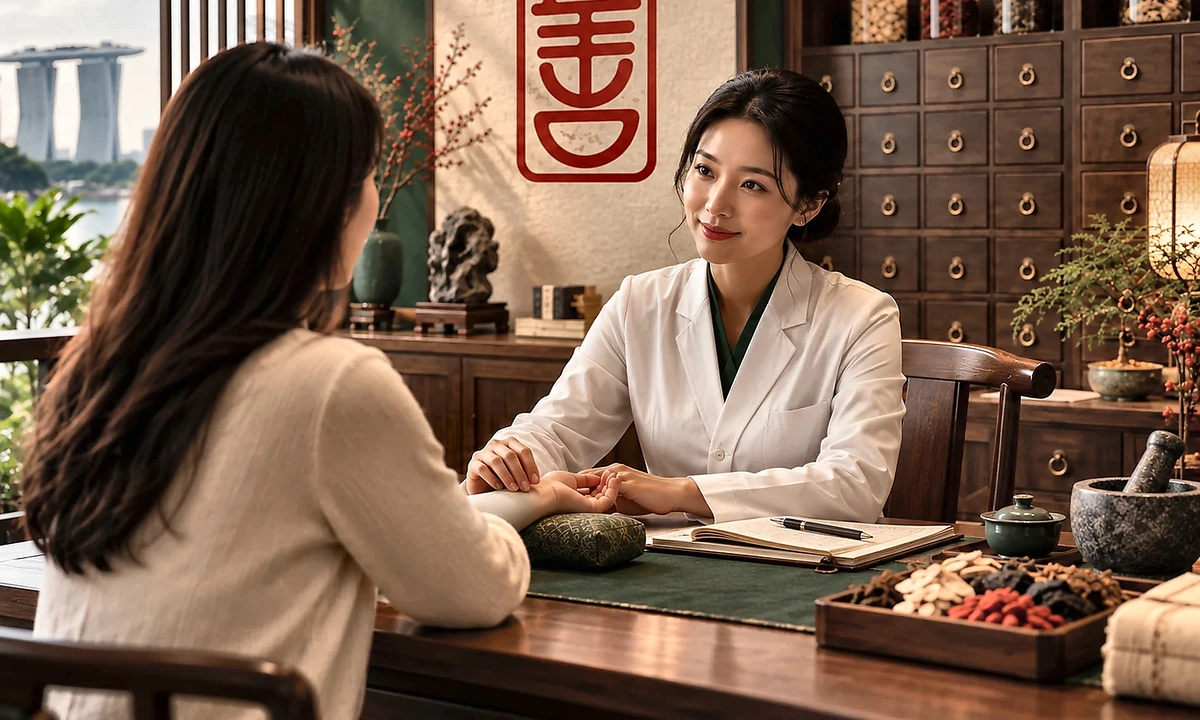
Your First TCM Consultation in Singapore: What to Expect
How to prepare, what information matters, what tongue and pulse observations mean, how treatment plans should be reviewed and when a second opinion is reasonable.
Read guide →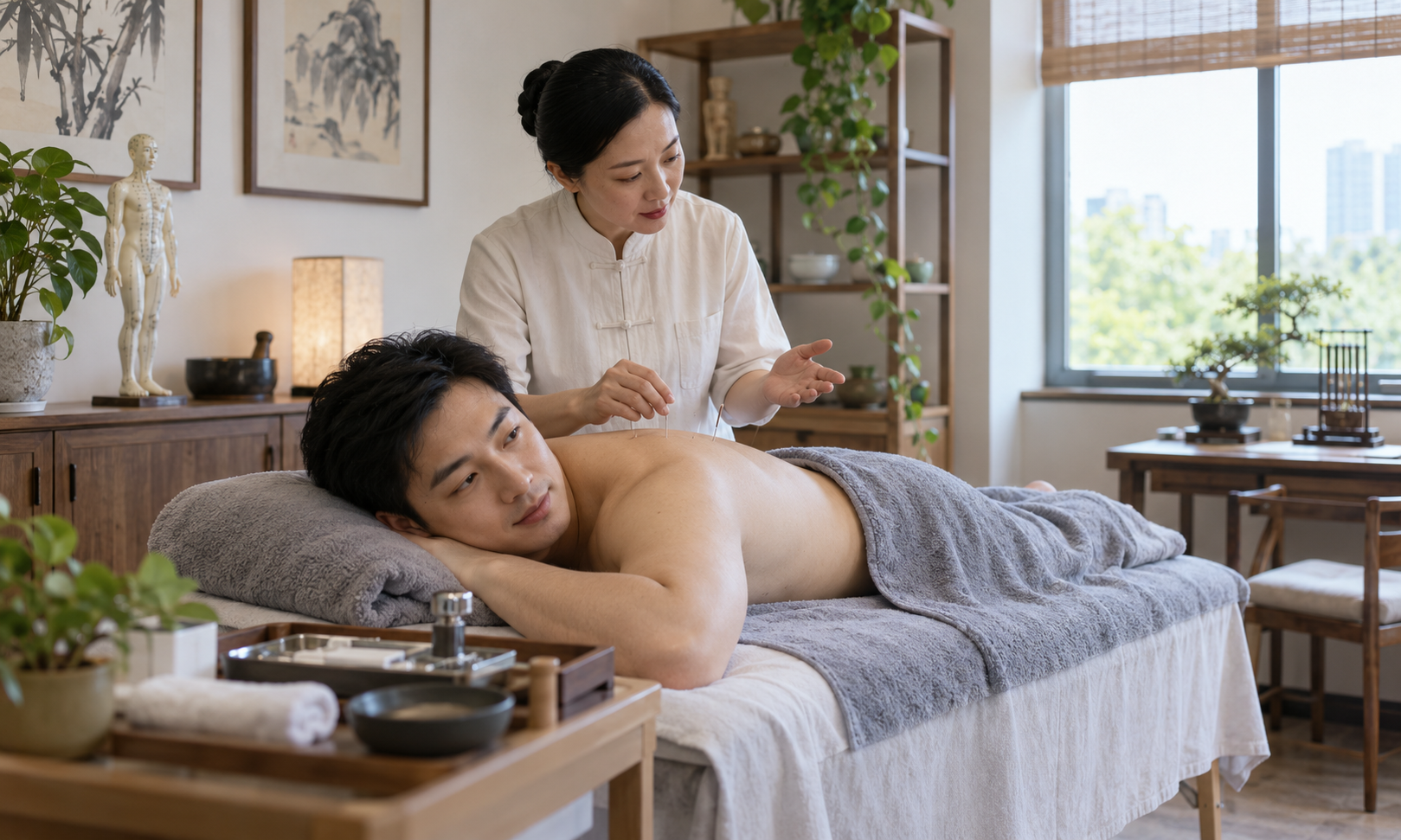
Acupuncture: What to Expect Before, During and After
Preparation, sterile needles, normal sensations, special safety considerations, aftercare and how to decide whether a course of acupuncture is helping.
Read guide →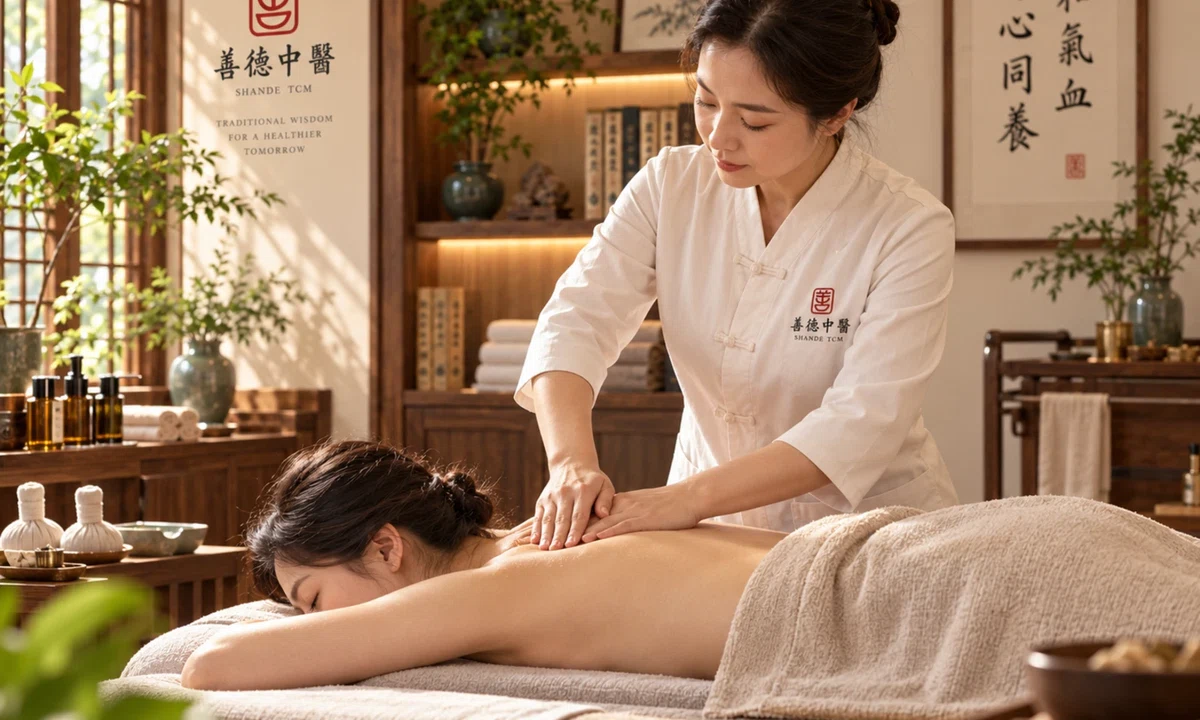
Tuina vs Massage: What Is the Difference?
Why Tuina is more than a stronger massage, how assessment and pressure should be handled, who needs extra caution and how to judge progress by function.
Read guide →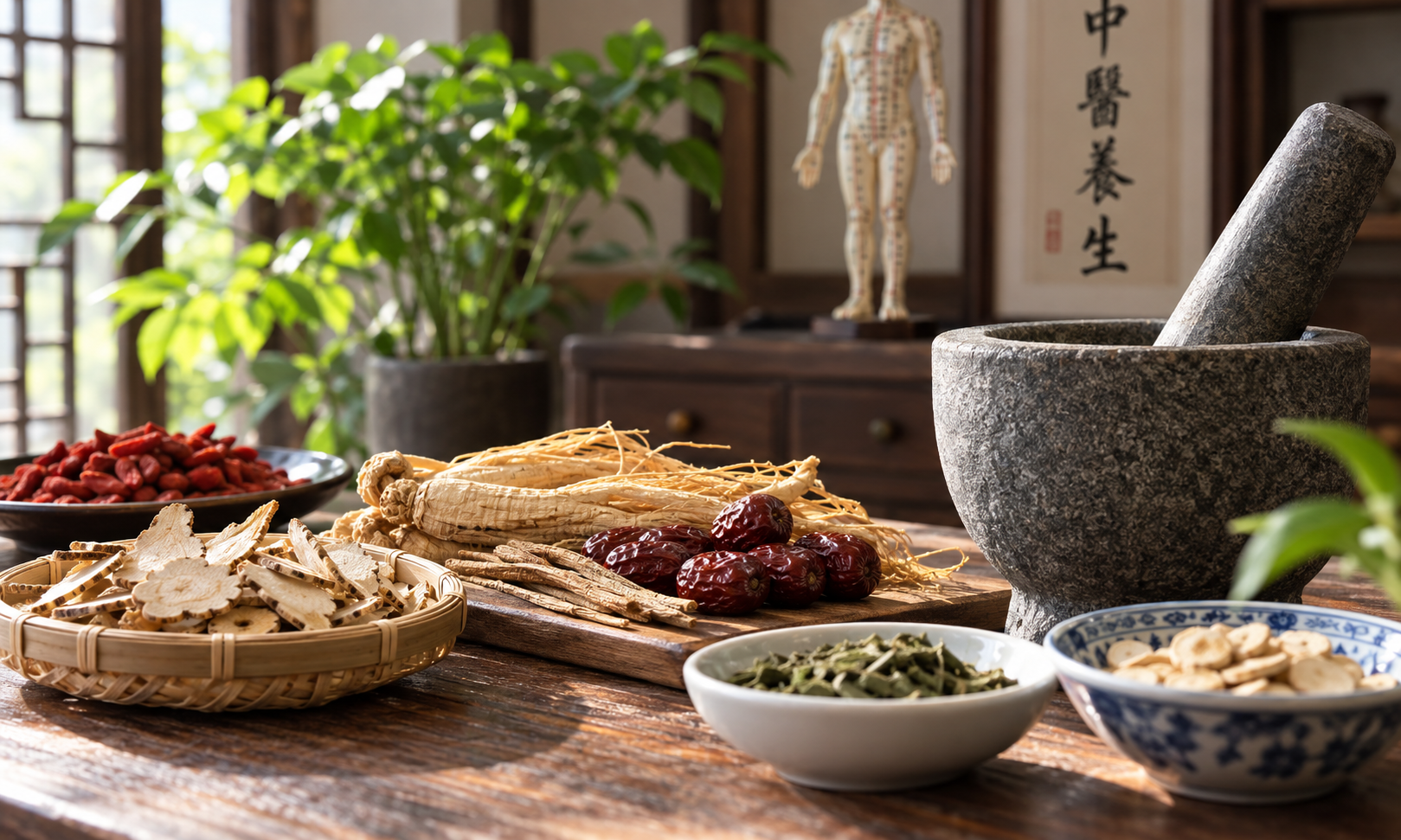
Chinese Herbs: Questions to Ask Before Taking a Formula
Medicines, supplements, HSA product safety, interactions, labels, storage, special situations and the warning signs that should stop self-treatment.
Read guide →
TCM and Conventional Medical Care: Using Both Responsibly
How to keep both systems informed, protect prescribed treatment, use test results properly and coordinate TCM with screening, chronic care and emergencies.
Read guide →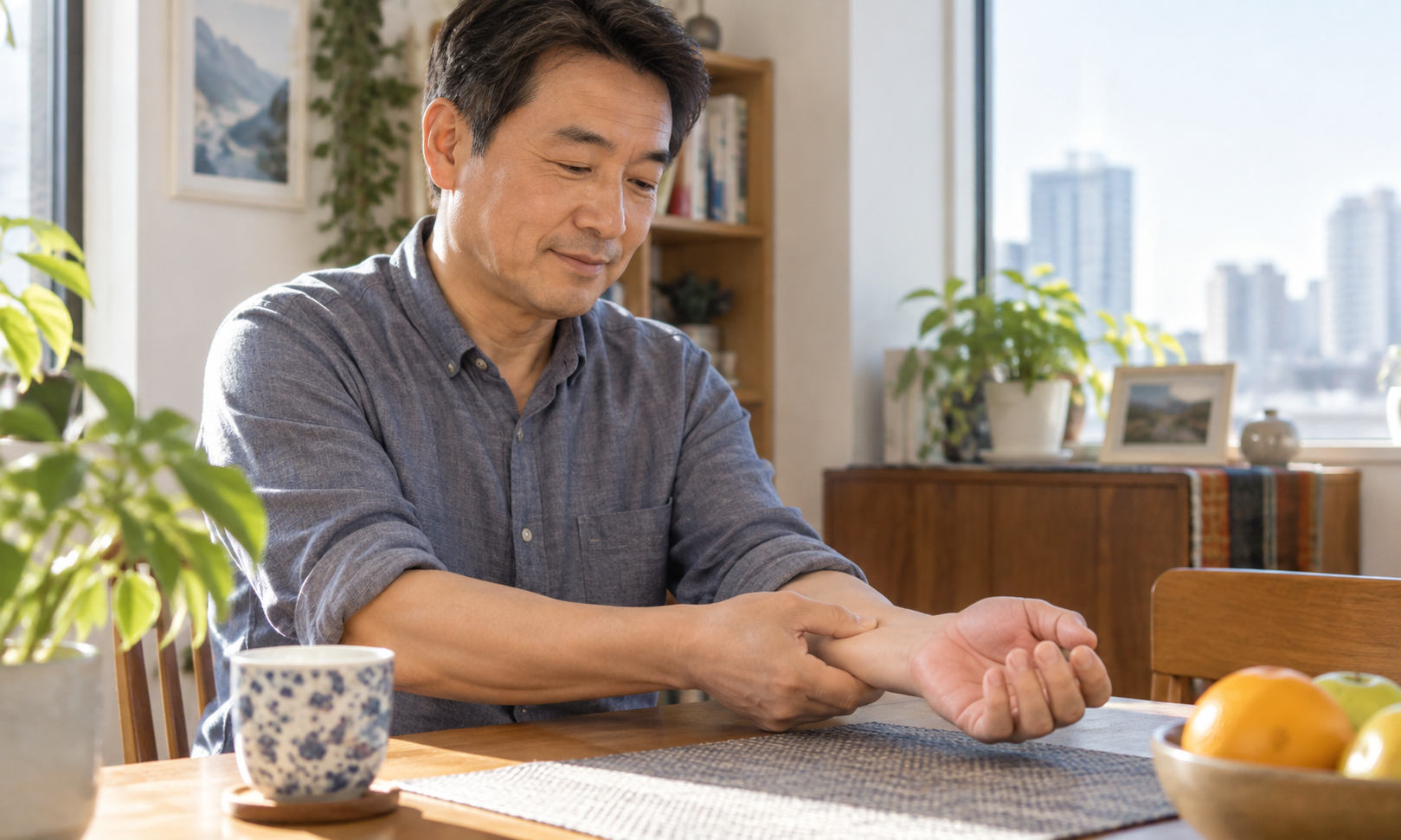
Acupressure at Home: A Simple Safety Guide
Gentle home-use principles, sensible limits and situations where self-treatment should stop.
Read guide →
Acupuncture Preparation & Aftercare: A Practical Patient Guide
What to tell your practitioner, how to prepare, what sensations may be normal and what should prompt a review.
Read guide →
Tuina Session Safety: Pressure, Comfort and When to Speak Up
A practical guide to what Tuina may involve, how pressure should be handled and when manual treatment may not be appropriate.
Read guide →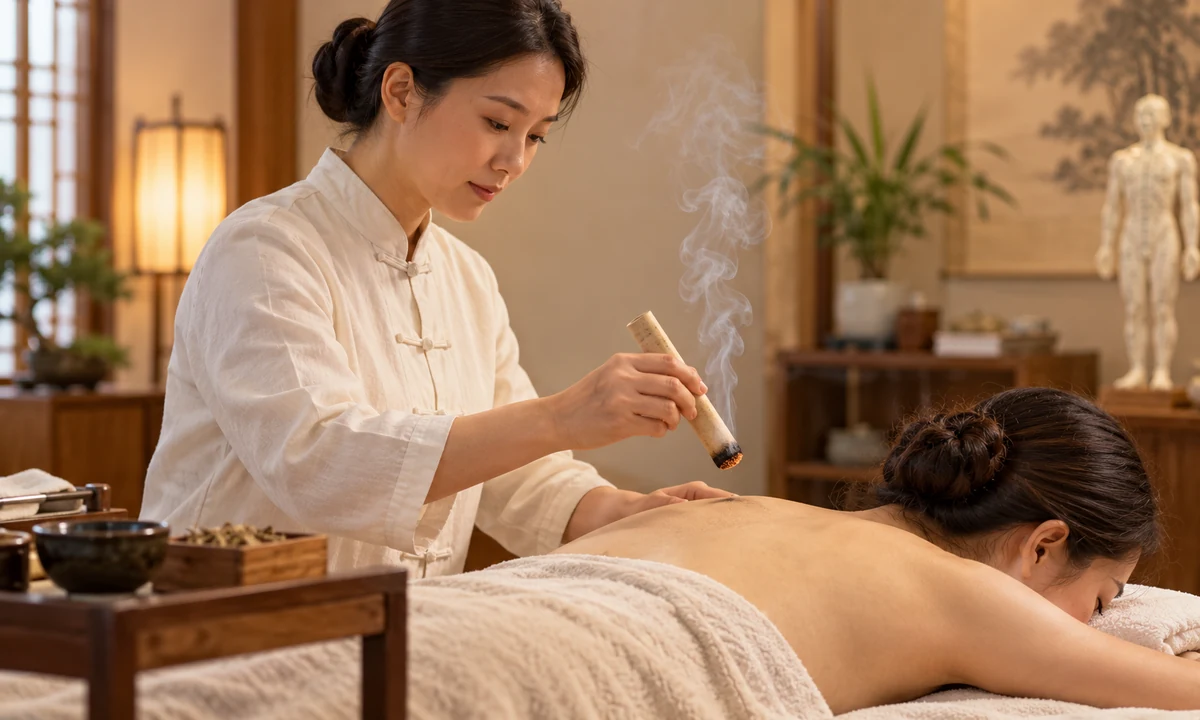
Moxibustion & Heat Therapy: Comfort, Ventilation and Safety
How moxibustion uses heat, what to tell your practitioner and why skin sensation and ventilation matter.
Read guide →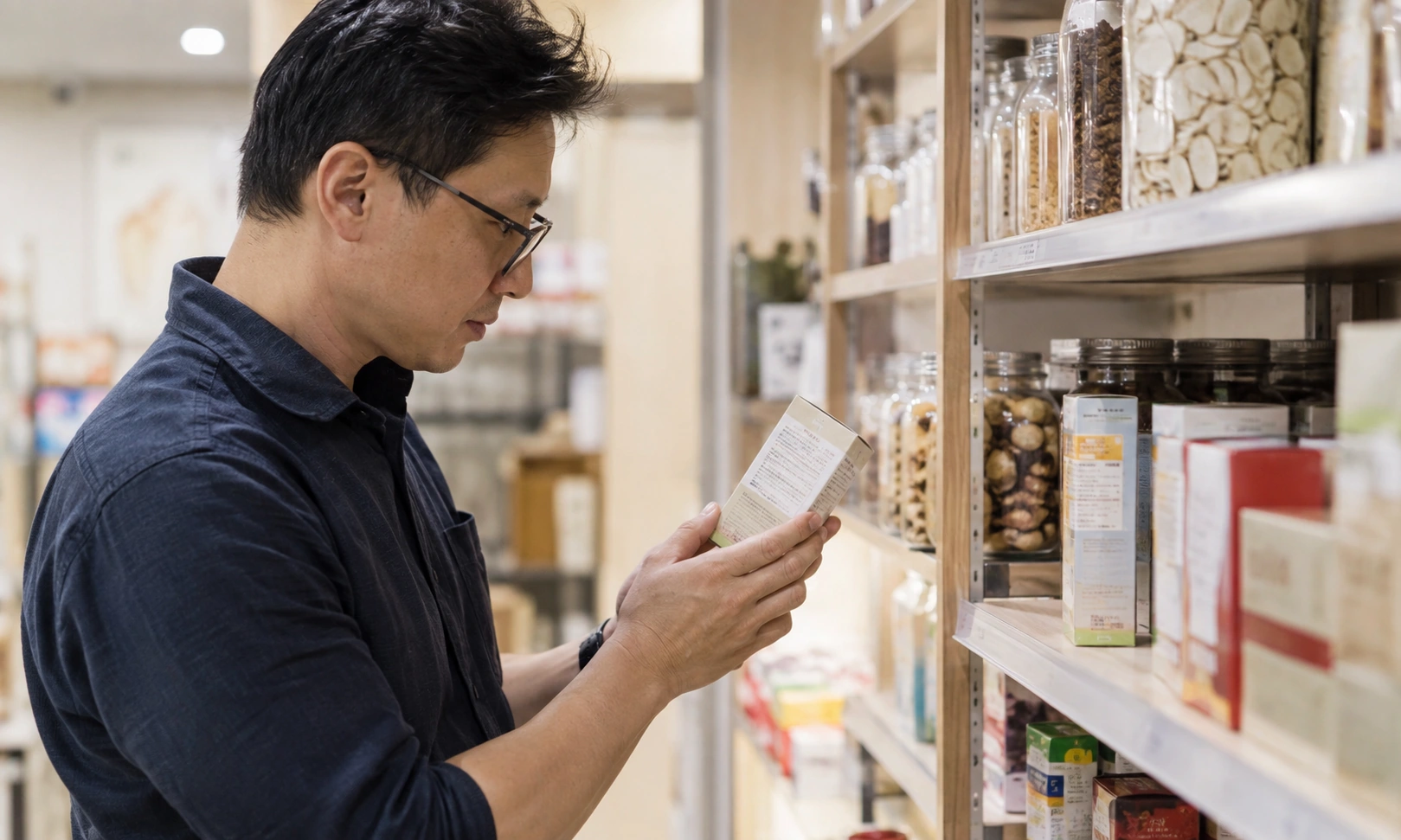
Chinese Proprietary Medicines in Singapore: What the Label Can Tell You
A practical introduction to product identity, directions, cautions and why “traditional” does not mean interaction-free.
Read guide →
Herbs, Medicines & Supplements: Why a Complete List Matters
How to make TCM and conventional care safer by keeping every prescriber informed about what you take.
Read guide →
Buying Chinese Medicine Safely in Singapore: Practical Checks Before You Pay
A consumer checklist for product identity, exaggerated claims, online sellers and when professional advice matters.
Read guide →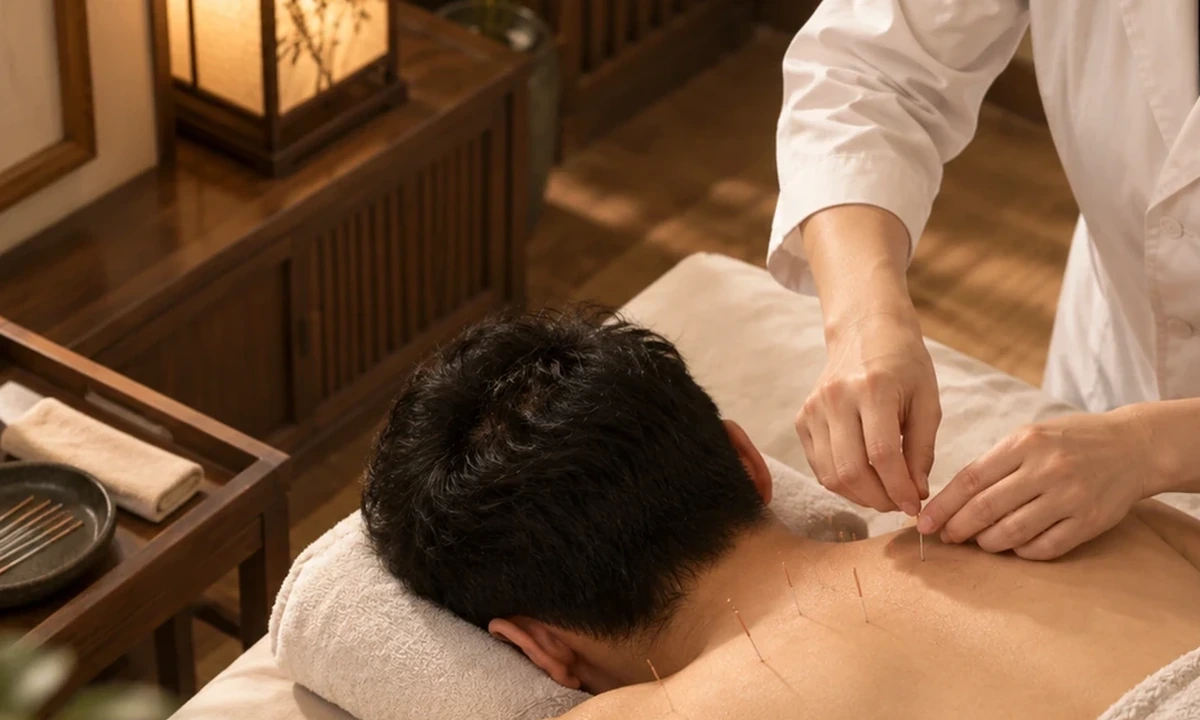
Cupping Therapy: What to Expect, Bruising, Hygiene and Safety
A practical guide to cupping marks, comfort, hygiene, medical cautions and how to decide whether cupping is appropriate for you.
Read guide →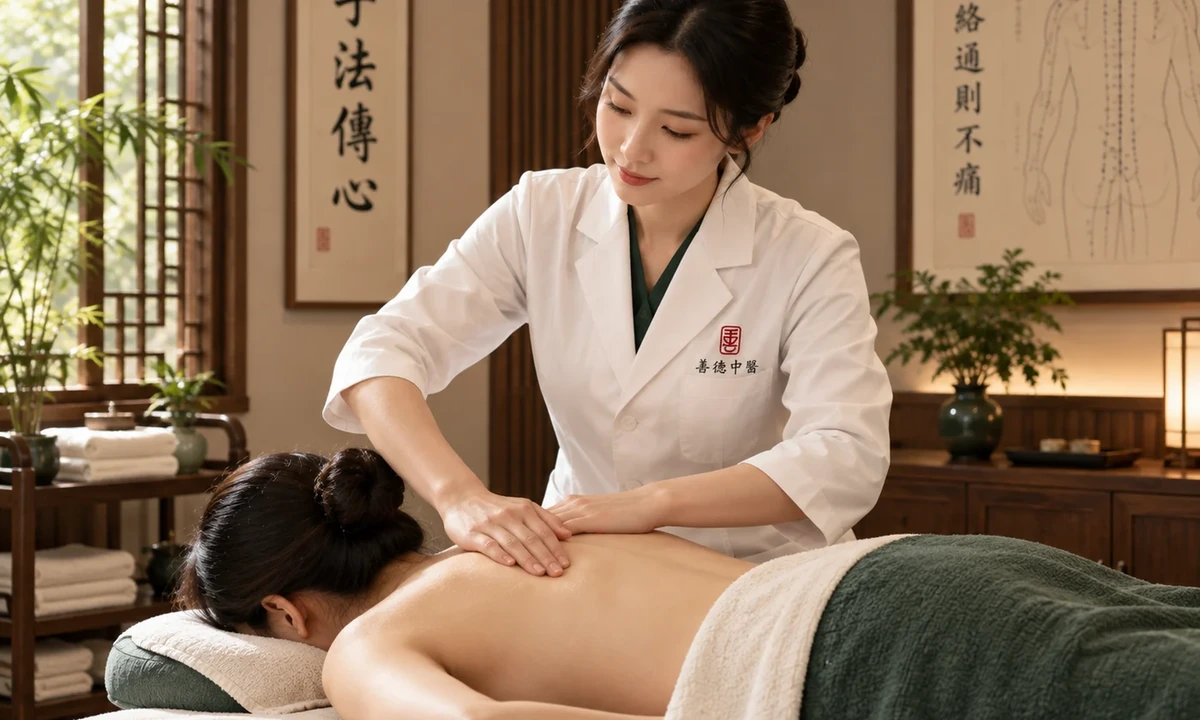
Gua Sha: Redness, Bruising, Pressure and Safer Use
A sensible guide to gua sha pressure, expected skin changes, hygiene, who needs extra caution and why more bruising is not better.
Read guide →Free eBook
The Shande Guide to Traditional Chinese Medicine in Singapore
A fuller introduction to consultation, acupuncture, Tuina, Chinese medicine, food therapy, home acupressure and responsible use alongside conventional care.
View eBook library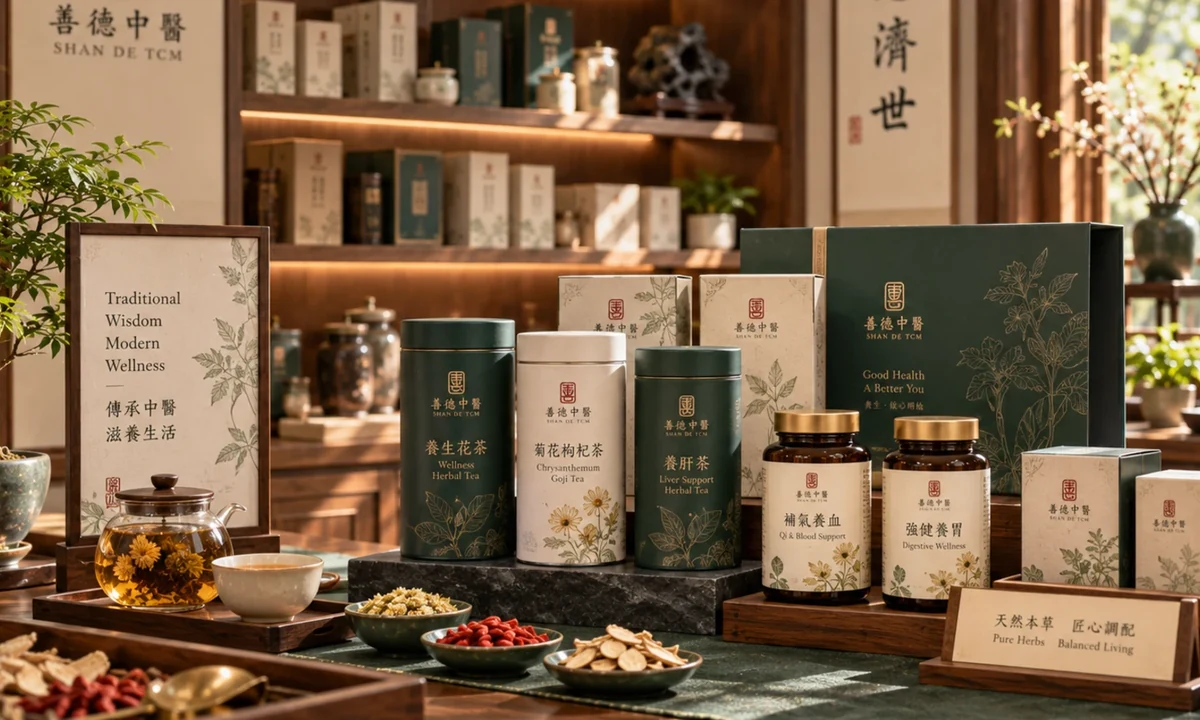
Need the terminology or practical answers?
Use the glossary and common-questions page to understand what traditional terms mean, what they do not mean, and how TCM fits into Singapore healthcare.