
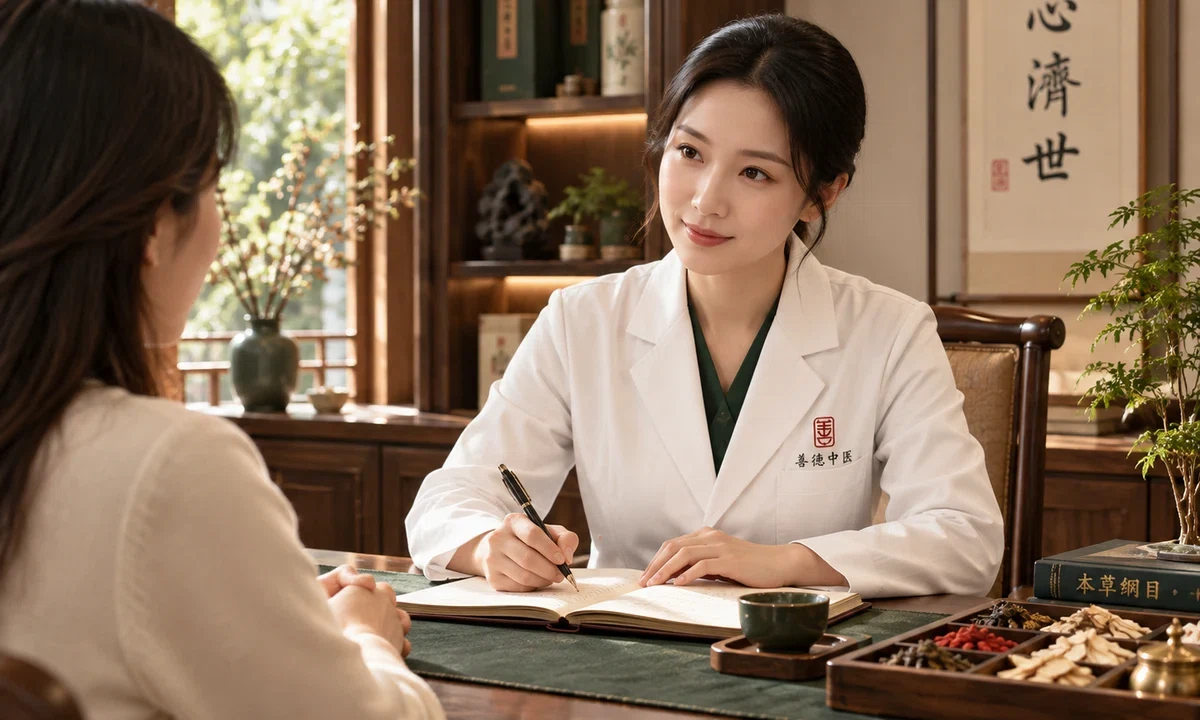
- What should I bring to a TCM consultation? — Bring a current list of medicines, supplements and herbs, relevant diagnoses, allergies, recent reports if they matter, and a short description of what you want help with. You do not need to assemble every medical document you have.
- Does acupuncture hurt? — Sensation varies. Many people feel a brief prick, pressure, heaviness, tingling or dull ache. Sharp, severe or persistent pain should be reported immediately so the practitioner can adjust or remove the needle.
- Are Chinese herbs safe because they are natural? — No. Natural substances can still cause side effects, allergies, contamination, dosing problems and interactions with medicines.
Before a consultation
What should I bring to a TCM consultation? — Bring a current list of medicines, supplements and herbs, relevant diagnoses, allergies, recent reports if they matter, and a short description of what you want help with. You do not need to assemble every medical document you have.
Can I eat before the appointment? — For most ordinary consultations, a normal meal is reasonable unless the clinic has given you specific instructions. Avoid arriving extremely hungry or immediately after a very heavy meal, especially if acupuncture may be discussed.
Should I stop my medicine before seeing a TCM practitioner? — No. Do not stop prescribed medicine simply because you are attending TCM. Bring the list and discuss how any herbs or treatments may fit alongside it.
Can I come if I have a serious or sudden symptom? — TCM is not an emergency service. Chest pain, severe breathlessness, new one-sided weakness, major bleeding, loss of consciousness and other emergency symptoms need appropriate urgent medical care first.
Acupuncture
Does acupuncture hurt? — Sensation varies. Many people feel a brief prick, pressure, heaviness, tingling or dull ache. Sharp, severe or persistent pain should be reported immediately so the practitioner can adjust or remove the needle.
Are acupuncture needles reused? — A responsible modern clinic should use sterile single-use acupuncture needles. If you are unsure, ask.
Can I exercise after acupuncture? — Light normal activity is often fine if you feel well. If treatment leaves you light-headed, sore or tired, take it easy. Follow any specific advice given for your condition.
Can I have acupuncture during pregnancy? — Pregnancy should always be disclosed before treatment. Suitability and point selection require additional caution, and pregnancy warning symptoms should be assessed through appropriate obstetric care.
Chinese medicine and herbs
Are Chinese herbs safe because they are natural? — No. Natural substances can still cause side effects, allergies, contamination, dosing problems and interactions with medicines.
Can I take Chinese herbs with blood-pressure or diabetes medicine? — Possibly, but this needs individual review. Bring a complete medicine list and do not change prescribed treatment without the prescriber’s advice.
Should I tell my doctor that I take Chinese medicine? — Yes. The safest approach is for every healthcare professional involved to know the medicines, herbs and supplements you use.
What if I do not know the name of a product? — Bring the packaging, label or a clear photograph showing the ingredients and directions if possible.
Tuina, cupping and other therapies
Is Tuina the same as a relaxation massage? — No. Tuina is a hands-on therapy within TCM and may use more targeted techniques. Tell the practitioner about fractures, surgery, osteoporosis, anticoagulants, pregnancy or significant medical conditions.
Are cupping marks dangerous? — Temporary circular marks are common after cupping, but blistering, broken skin, severe pain or infection are not goals of treatment and need attention.
Can treatment be done over a swollen or injured area? — Not automatically. New swelling, suspected fracture, infection, severe inflammation or unexplained injury may require medical assessment before manual treatment.
Is stronger treatment always better? — No. More force, more needles or darker cupping marks do not automatically mean better results.
Combining TCM with conventional care
Can TCM replace medical screening? — No. Blood-pressure checks, diabetes screening, cancer screening and other evidence-based preventive care should not be replaced by TCM assessment.
Can a TCM diagnosis confirm that I do not have a serious disease? — No. Traditional pattern assessment cannot rule out cancer, heart disease, stroke, infection or other serious conditions.
When should I see a doctor first? — See a doctor first when symptoms are severe, sudden, persistent, unexplained, progressively worsening, or associated with red flags such as bleeding, neurological change, major breathing difficulty or significant weight loss.
Can I use TCM for comfort while receiving medical treatment? — Sometimes. Supportive goals such as symptom comfort, sleep, tension or recovery may be discussed, provided the TCM plan does not interfere with necessary medical treatment.
Appointments and Shande TCM
Do I need an appointment? — Calling before travelling is recommended because appointment availability can change during the day.
What languages are available? — Shande TCM can communicate in English and Mandarin.
Where is the clinic? — Shande TCM is at Fortune Centre, 190 Middle Road, #03-33B / #03-34 / #04-33, Singapore 188979.
What are the opening hours? — The clinic is open daily from 10:00am to 9:00pm. Call before travelling to confirm current appointment availability.
Related reading and next steps
This page provides general health and TCM education, not an individual diagnosis. Sudden, severe, persistent or rapidly worsening symptoms — especially emergency warning signs — require appropriate conventional medical assessment.