Fortune Centre · Singapore · Since 2018Mon–Sat 10:00am–9:00pm · Sun 10:00am–7:30pm · +65 8171 6002
Shande TCM 善德中医 logo善 德 中 医 堂SHANDE TCM 中文中文网站

TCM Consultation · Fortune Centre, Singapore

TCM Consultation

A clear, thoughtful starting point for understanding your health concerns, history and priorities.

TCM Consultation service at Shande TCM

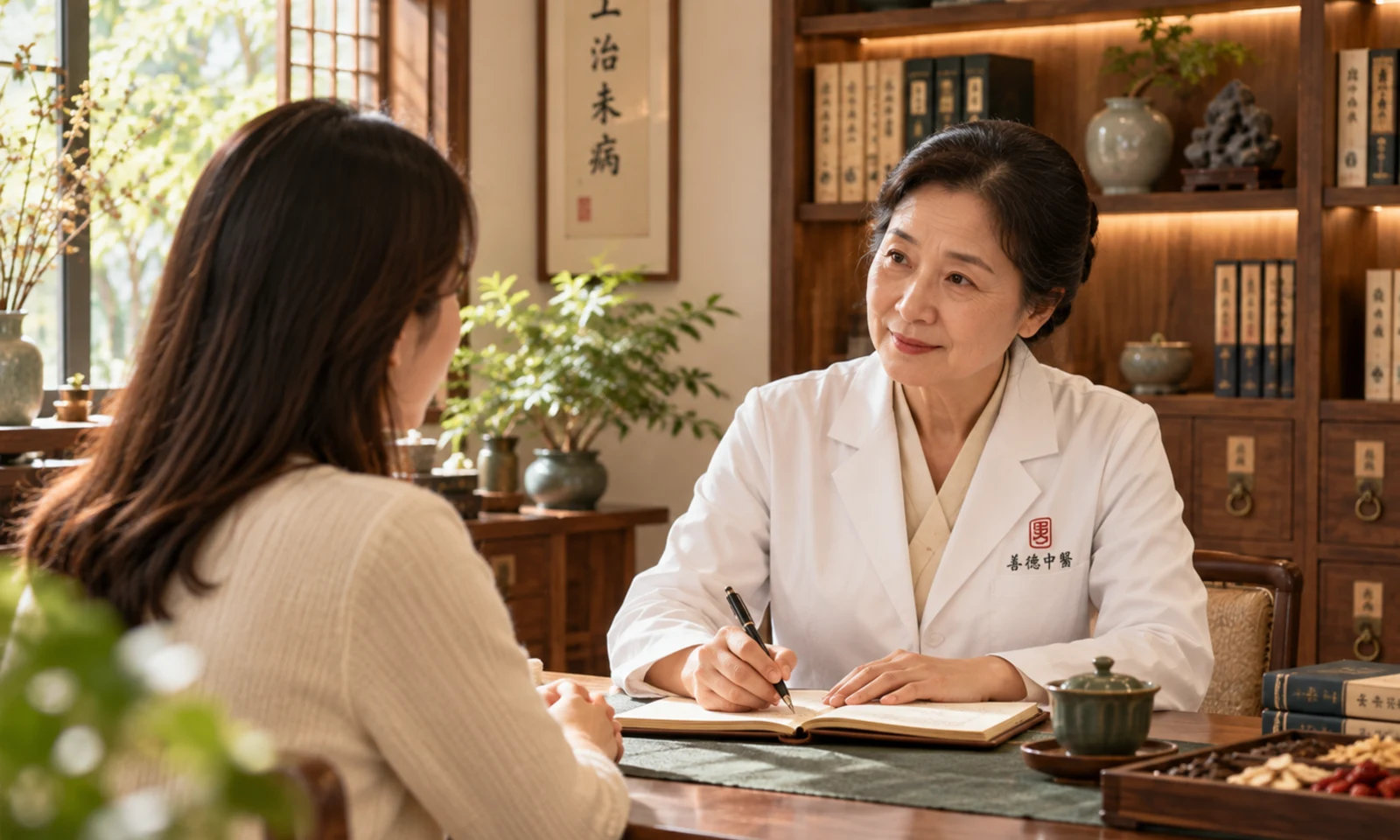
A first visit starts with a detailed conversation. Yang Yang may ask about the main concern, where it is felt, how and when it started, previous injuries or operations, current medicines and supplements, relevant medical reports, sleep, diet and day-to-day habits. Pulse assessment and other TCM observations may also form part of the consultation.

What to know before your visit

  • Bring relevant Western medical reports or test results if you have them.
  • Bring a current list or clear photos of medicines, supplements and health products you take.
  • Tell the clinic if you are pregnant, have had surgery, or have important ongoing medical conditions.
  • Allow more time for a first visit: the consultation and pulse assessment commonly take about 15–20 minutes; if treatment is carried out, total time may be around 40–70 minutes depending on the individual.
Consultation fees

First consultation: S$28 · Follow-up consultation: S$12. Treatment, products and medicine are charged separately according to what is recommended and used.

Care and suitability

TCM services are not one-size-fits-all. The practitioner may recommend a different approach, a combination of approaches, or conventional medical review depending on the information discussed and any safety concerns.

Urgent symptoms

For severe, sudden or rapidly worsening symptoms, chest pain, difficulty breathing, fainting, major bleeding, stroke-like symptoms or other emergencies, call 995 or seek urgent conventional medical care.

Understand more

Clearer explanations for better decisions.

What to prepare before you come

Bring a list or photo of medicines and supplements you currently use, relevant medical reports if available, and a short note of the symptoms or questions you most want to discuss. You do not need to prepare a perfect medical history; the aim is simply to make the conversation clearer.

What the practitioner may ask

Yang Yang may ask what the main problem is, where it is located, how long it has been present, whether there was an injury, what medicines or supplements you use, whether you have had surgery, and whether sleep, diet, work routine or other habits may be relevant. TCM observations such as pulse assessment may also be used within the TCM framework.

After the consultation

Recommendations vary with the individual. The practitioner should explain the proposed direction, practical precautions and expected fees before you decide how to proceed. TCM care may be discussed alongside existing Western medical treatment when appropriate, while fractures, significant bleeding, suspected infection, severe acute symptoms or other concerns that need investigation should be referred for conventional medical assessment.

First visits often include more than the main symptom

People sometimes arrive worried about cost, treatment length or whether their condition is suitable for TCM. The consultation is the place to ask those questions. The practitioner may also discuss sleep, eating habits, alcohol, late nights and other routines where they are relevant, because different people with a similar symptom may need different advice.

Common reasons people contact the clinic

Start with the concern, not a pre-selected treatment.

Musculoskeletal & mobility concerns

Common enquiries include persistent joint pain or stiffness, neck and shoulder discomfort, heel pain, sports or overuse injuries, tennis elbow, and questions from people who have already been diagnosed with osteoarthritis, rheumatic conditions, joint swelling or effusion, elevated uric acid or gout. A red, hot, markedly swollen joint, fever, inability to bear weight or sudden major loss of function needs medical assessment rather than routine supportive care.

Sleep, respiratory & general concerns

People also contact the clinic about sleep difficulties, rhinitis, recurrent nasal discomfort, cough, fatigue and TCM pattern concerns sometimes described as “dampness”. TCM pattern language is not a biomedical diagnosis. Persistent breathing difficulty, high fever, coughing blood or other warning signs require appropriate medical assessment.

Women’s health concerns

Enquiries may include menstrual discomfort, changes in menstrual flow and fertility-related concerns. Heavy or prolonged bleeding, pregnancy complications and other warning signs should be medically assessed without delay.

Dry eyes and visual symptoms

Dry-eye discomfort or visual strain may be discussed within a broader consultation, but persistent blurred or declining vision, eye pain or redness, sudden visual changes, or suspected cataract require an appropriate eye examination. TCM should not delay ophthalmic assessment.

WhatsAppCall clinic