
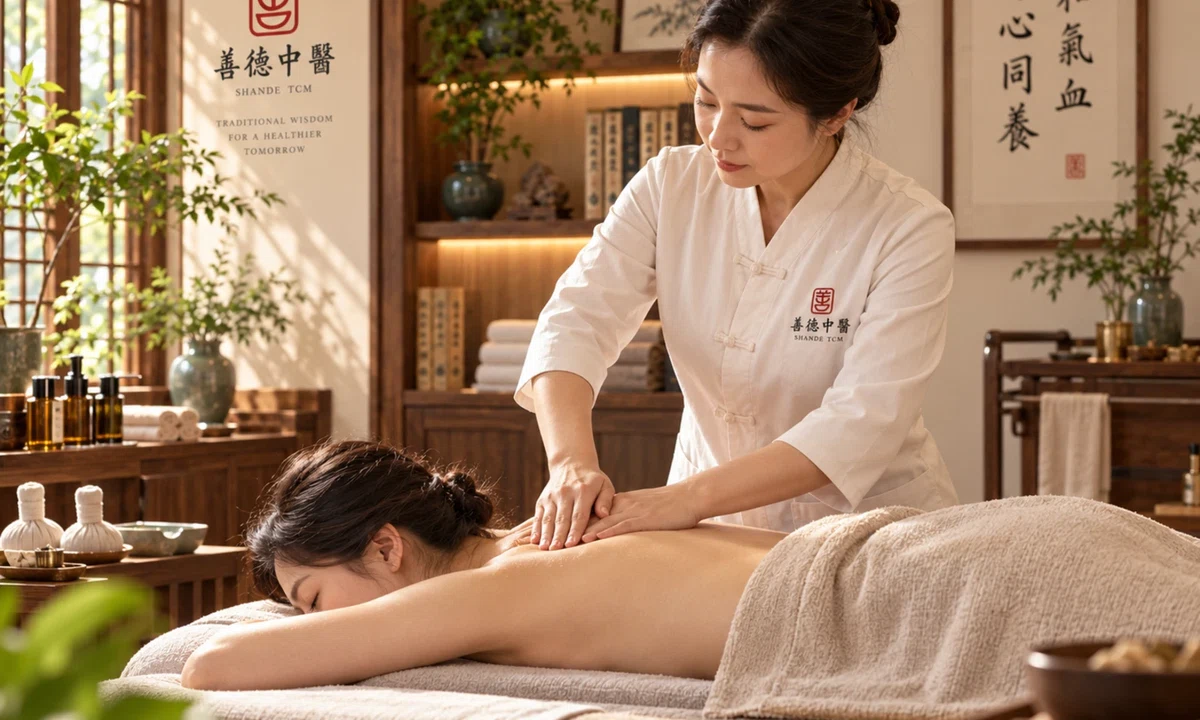
Tuina is part of TCM
Tuina uses manual techniques such as pressing, rolling, kneading and mobilisation within a TCM framework. The aim of a session is not necessarily relaxation; techniques are selected according to the practitioner’s assessment.
Relaxation massage has a different purpose
General massage may primarily aim to relax muscles and reduce day-to-day tension. Tuina can overlap in some techniques, but its context, assessment and treatment intent are different.
Tell the practitioner about injuries and conditions
Mention recent surgery, fractures, severe osteoporosis, pregnancy, skin conditions, unexplained swelling, numbness or significant pain. Pressure should be adjusted to what is appropriate and tolerable.
Know when hands-on treatment is not the first step
Sudden severe pain, major trauma, weakness, loss of bladder or bowel control, fever with severe illness or other red-flag symptoms should receive prompt medical assessment.
The difference is purpose, not simply pressure
Relaxation massage is usually designed around comfort and general muscle relaxation. Tuina is a manual therapy within TCM, so the practitioner may select pressing, rolling, kneading, mobilisation or other techniques according to an assessment. A Tuina session may therefore feel more targeted, but “stronger” is not automatically “better”.
Tell the practitioner about conditions that change what is safe
Recent fractures, acute injuries, significant swelling, severe osteoporosis, blood-thinning medicines, pregnancy, surgery, neurological symptoms and areas with reduced sensation all matter. If pain is sharp, spreading or associated with numbness or weakness, hands-on treatment may not be the right first step until the cause is properly assessed.
Aftercare should be simple
Temporary tenderness can occur after manual therapy, especially when an area was already sensitive. Gentle movement, normal hydration and avoiding aggressive self-massage immediately afterwards may be reasonable. If symptoms become markedly worse, new weakness or numbness appears, or another concerning symptom develops, seek appropriate medical review.
Assessment should come before intensity
Before hands-on treatment, the practitioner should understand the main complaint, recent injuries, medical conditions and any symptoms that could suggest a problem needing medical assessment. A painful area is not automatically a place that should be pressed harder. Sometimes the safest decision is to avoid a technique, modify it or postpone manual treatment until the cause is clearer.
Tuina can use several kinds of manual technique
Depending on the practitioner and purpose, Tuina may involve pressing, rolling, kneading, rubbing, assisted movement or mobilisation. The treatment does not need to feel dramatic. Technique should match the person, the body area and the clinical goal. Older adults, people with fragile skin or bone, and those recovering from injury may need a gentler approach.
Pain during treatment is information, not a challenge
A mild stretching sensation or temporary tenderness can be acceptable, but sharp pain, electrical sensations, sudden numbness, dizziness or a feeling that something is wrong should be reported immediately. You do not earn a better outcome by tolerating unnecessarily painful treatment.
Manual therapy works best with functional goals
Instead of judging a session only by whether the area feels “looser” for an hour, consider useful function: can you turn your head more comfortably, walk farther, sleep better or perform daily tasks with less difficulty? If benefit is brief and repeatedly disappears, the broader plan may need to include exercise, medical assessment or another form of care.
Know when massage-like treatment is not the priority
Major trauma, suspected fracture, new weakness, loss of bladder or bowel control, severe swelling, fever with a painful joint, chest pain or other serious symptoms need appropriate medical care. Complementary manual therapy should not be used to postpone urgent diagnosis.
This article is general information, not a diagnosis or personal treatment plan. For severe or urgent symptoms, seek conventional medical care promptly.
Preparation can be straightforward
Wear comfortable clothing and explain any area you do not want treated. Avoid arriving immediately after a very heavy meal or after alcohol. Bring relevant medical information when an injury or chronic condition is involved. If you are uncomfortable with a technique, position or level of pressure, say so; consent continues throughout a hands-on session.
Frequency should follow the problem, not a package
Some people may benefit from several sessions while others may need only occasional care or a different approach. Frequency should be linked to the condition, response and functional goals. A prepaid package is not a clinical reason by itself. If progress stalls, the plan should be reviewed rather than simply increasing pressure or extending treatment indefinitely.