
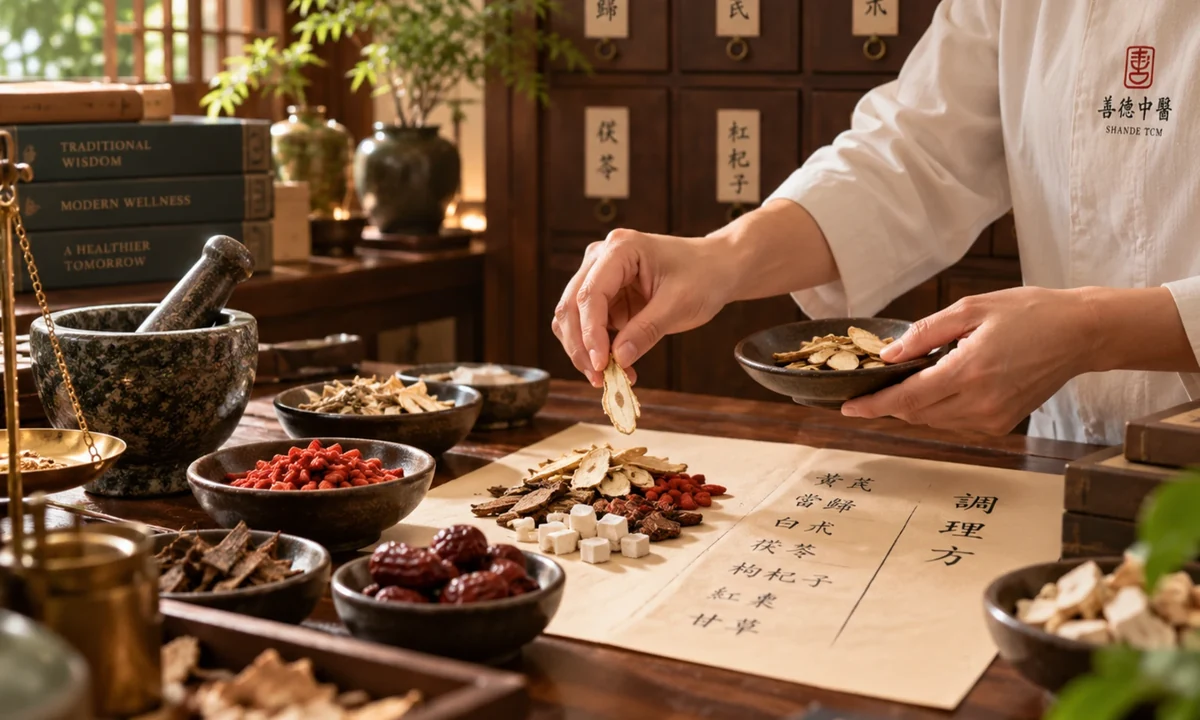
- Not every herb in a soup is equivalent to a medicinal prescription.
- Medicinal ingredients can interact with medicines or be unsuitable in pregnancy or certain illnesses.
- Buy herbs and health products from reputable sources and avoid exaggerated claims.
Food and medicine can overlap
Singapore families may use red dates, goji berries, ginger or other traditional ingredients in cooking. The amount used, purpose, concentration and person consuming it all matter. A culinary ingredient in a normal meal is not automatically the same as a medicinal dose or formula.
More herbs do not automatically mean more benefit
Combining many ingredients because each is believed to do something different can create an unnecessarily complicated mixture. If a person has kidney or liver disease, is pregnant, takes anticoagulants or uses multiple medicines, discuss concentrated herbal products with a qualified professional.
Product quality matters
HSA warns consumers about adulterated or dubious herbal products, including products that may contain undeclared potent medicines. Buy from reputable sources and be cautious of claims promising quick cures or results across many unrelated conditions.
Keep everyday cooking enjoyable
A nourishing soup can simply be food: vegetables, protein, grains or legumes, herbs and spices chosen for taste and a balanced meal. It does not need a medical claim to be worthwhile.
When to ask a TCM physician
If you want a formula for a specific health concern rather than a family recipe, consultation is the safer route. Bring a current medicine and supplement list and explain any allergies, pregnancy or chronic conditions.
This guide is general health education, not a diagnosis or personal treatment plan. Persistent, severe or rapidly worsening symptoms should receive appropriate medical assessment.
Further reading: HSA: Traditional herbal remedies - quality and safety matters