
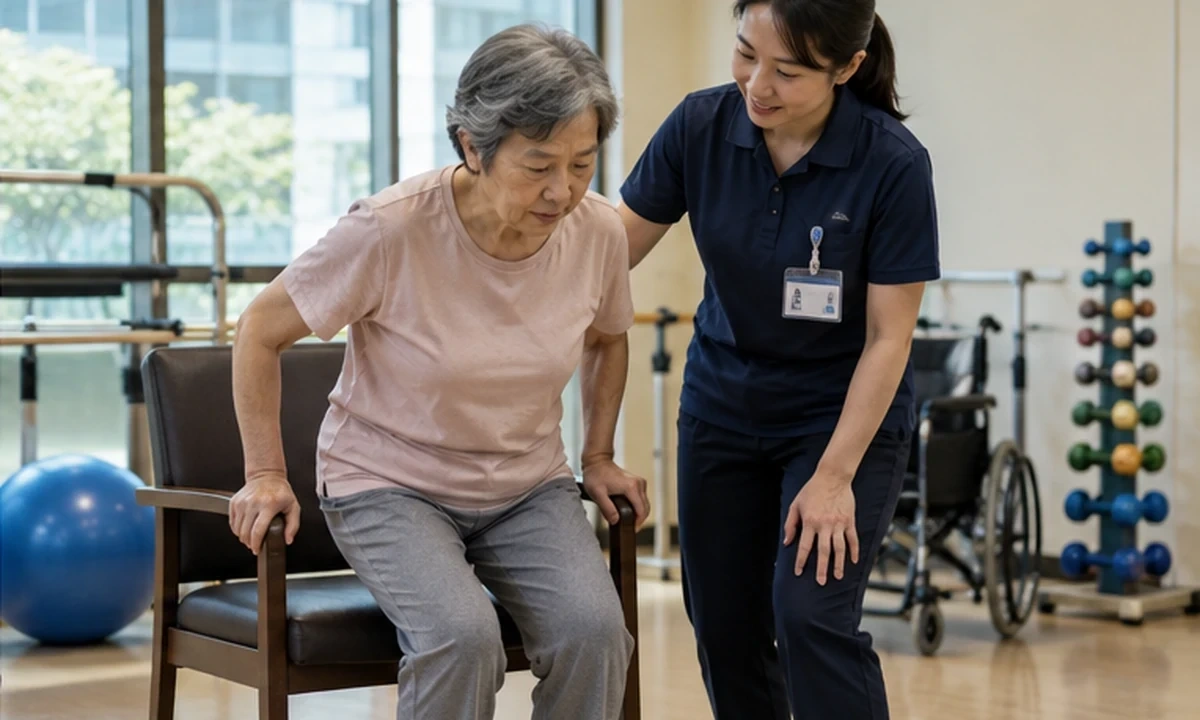
- Slower walking, difficulty rising from a chair, avoiding stairs, recurrent falls and exhaustion with previously easy tasks can signal declining muscle reserve.
- Progressive resistance exercise and adequate protein are central to maintaining muscle, with individual advice needed when kidney disease or swallowing problems affect nutrition.
- Marked weakness can also reflect anaemia, thyroid disease, heart/lung disease, neurological illness, medication effects, depression or undernutrition.
Why this is more than ordinary aches
Loss of muscle strength can affect balance, independence and recovery from illness. Learn what to notice and how to protect strength.
Pain is useful information but is not a diagnosis. Bone, joint, muscle, tendon, nerve and inflammatory problems can overlap, and the pattern over time helps distinguish them.
What to notice
Slower walking, difficulty rising from a chair, avoiding stairs, recurrent falls and exhaustion with previously easy tasks can signal declining muscle reserve.
Notice function as well as pain: walking speed, ability to rise from a chair, swelling, morning stiffness, falls and whether normal activities are becoming harder.
Protecting function early
Progressive resistance exercise and adequate protein are central to maintaining muscle, with individual advice needed when kidney disease or swallowing problems affect nutrition.
Maintaining strength and movement is usually important, but the right amount and type of exercise depends on diagnosis, injury risk, bone health and current symptoms.
Where TCM may fit
Marked weakness can also reflect anaemia, thyroid disease, heart/lung disease, neurological illness, medication effects, depression or undernutrition.
Acupuncture or Tuina may be supportive for selected musculoskeletal symptoms, but forceful treatment is inappropriate when fracture, infection or acute severe inflammation is possible.
When medical assessment comes first
New or rapidly progressive weakness, recurrent falls with injury, or significant unintentional weight loss should not be dismissed as normal ageing.
Related reading & Singapore resources
This page provides general health education, not an individual diagnosis or emergency plan. Sudden, severe, worsening or red-flag symptoms should be assessed through appropriate conventional medical or emergency care.