
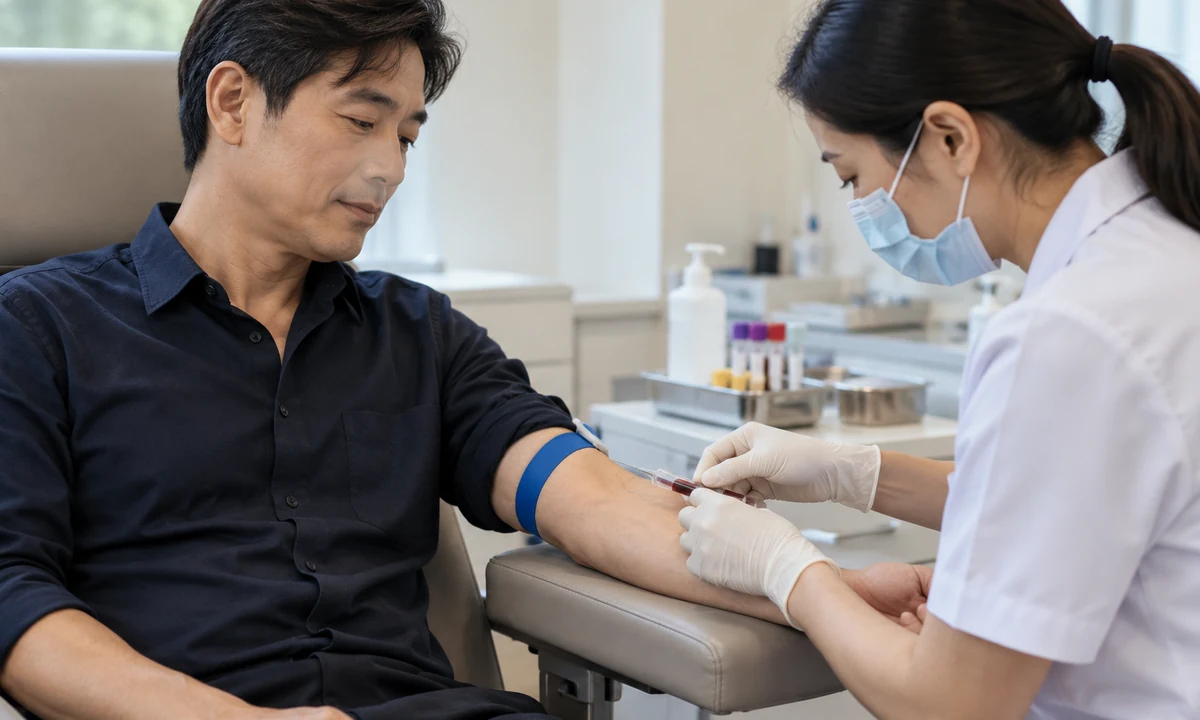
- A normal-looking body does not guarantee normal cholesterol.
- A single number should be interpreted together with your overall cardiovascular risk.
- If treatment is prescribed, do not stop it because you “feel fine”.
Why this deserves attention
Cholesterol is carried in the blood and is essential for normal body function, but an unhealthy lipid pattern can contribute to plaque formation in arteries over time. The difficult part is that high cholesterol generally does not make a person feel unwell. Energy level, body size and fitness are poor substitutes for a blood test. A person can exercise regularly and still have a lipid problem because age, genetics, diabetes, smoking, blood pressure and other factors all influence cardiovascular risk.
What makes it more important
Family history of early heart disease, smoking, diabetes, high blood pressure, kidney disease and increasing age can make an abnormal lipid result more important. Extremely high LDL can also suggest inherited cholesterol disorders. The practical question is therefore not simply “Is my cholesterol high?” but “What does this result mean for my personal risk, and what target is appropriate for me?”
What to do next
Use routine screening rather than symptoms to find out. Keep copies of results so you can see trends. Discuss diet, activity, weight, smoking and medicines with a primary-care doctor rather than relying on supplements marketed as “cholesterol cleansers”. If you are eligible for Healthier SG Screening, cardiovascular risk screening can help identify high blood cholesterol together with other silent risk factors.
Where TCM may fit
TCM can be discussed for other concerns such as sleep, stress or musculoskeletal discomfort, but a traditional pattern diagnosis cannot tell you whether LDL or total cardiovascular risk is controlled. Herbal products should also be disclosed because some may interact with prescribed medicines or affect the liver.
When not to wait
Chest pressure, severe breathlessness, collapse, new weakness on one side or other possible heart-attack/stroke symptoms are emergencies and should not be treated as a cholesterol problem to “manage later”.
Related reading and Singapore resources
This page provides general health education, not an individual diagnosis or emergency plan. Sudden, severe, persistent or rapidly worsening symptoms — especially red flags — require appropriate conventional medical assessment.