
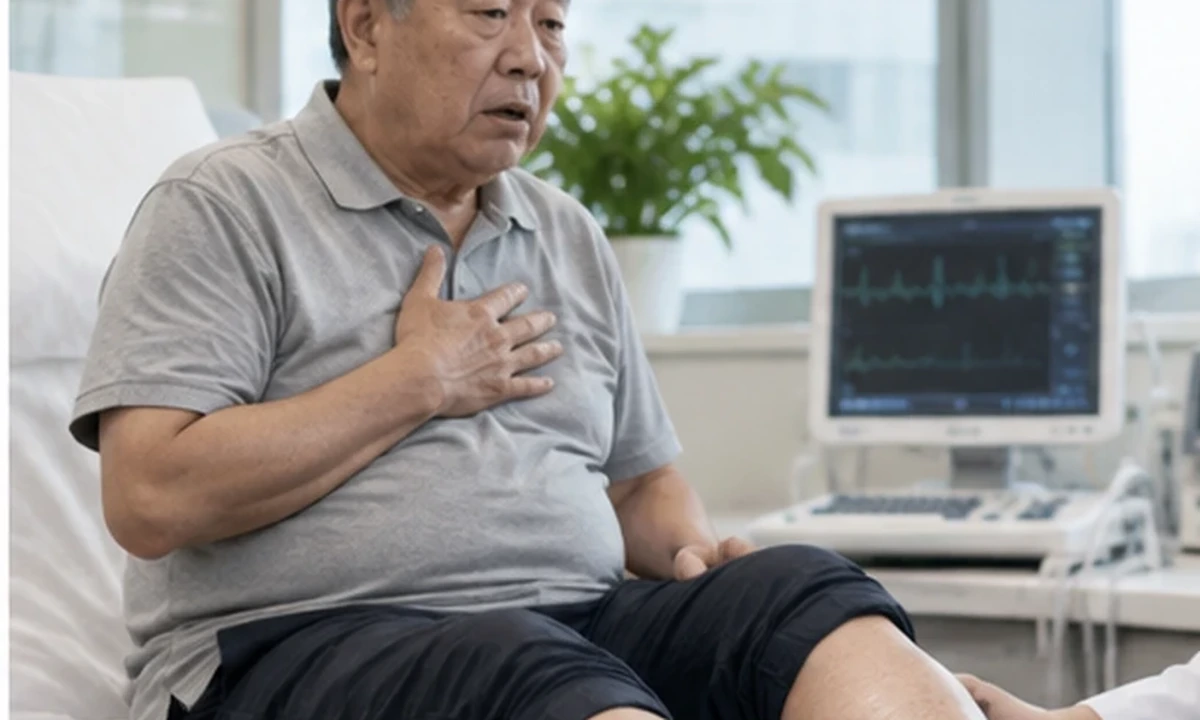
- Possible heart-attack symptoms may feel like pressure or heaviness rather than sharp pain.
- Sweating, nausea, breathlessness, faintness or discomfort spreading to the arm, jaw, back or shoulder increase concern.
- People with diabetes and older adults may have less typical symptoms.
Why this deserves attention
Not every chest pain comes from the heart. Muscles, reflux, anxiety, lungs and other conditions can also cause discomfort. The problem is that a dangerous heart problem cannot be safely excluded from a website description. Pressure, tightness, heaviness or pain in the chest — especially when new, severe, brought on by exertion, or accompanied by other symptoms — should be taken seriously.
What makes it more important
Risk factors such as smoking, diabetes, high blood pressure, high cholesterol, kidney disease and a strong family history make heart disease more likely, but an emergency should not be dismissed simply because someone is young or has no known risk factors. Women can also experience heart attacks with less dramatic or less “classic” symptoms.
What to do next
If symptoms are mild but recurrent, arrange medical review rather than repeatedly assuming reflux or muscle strain. A clinician may need to consider an ECG, blood tests or other investigations based on the story and risk profile. Keep track of what you were doing when the symptom started, how long it lasted and what came with it.
Where TCM may fit
Do not use acupuncture, Tuina, herbs or acupressure to test whether serious chest pain “goes away”. Complementary care may be discussed only after urgent causes have been appropriately excluded and the person is medically stable.
When not to wait
New severe chest pressure, chest discomfort with breathlessness, sweating, fainting or other possible heart-attack symptoms should be treated as an emergency. In Singapore, call 995 for an ambulance rather than driving yourself if a heart attack is suspected.
Related reading and Singapore resources
This page provides general health education, not an individual diagnosis or emergency plan. Sudden, severe, persistent or rapidly worsening symptoms — especially red flags — require appropriate conventional medical assessment.