
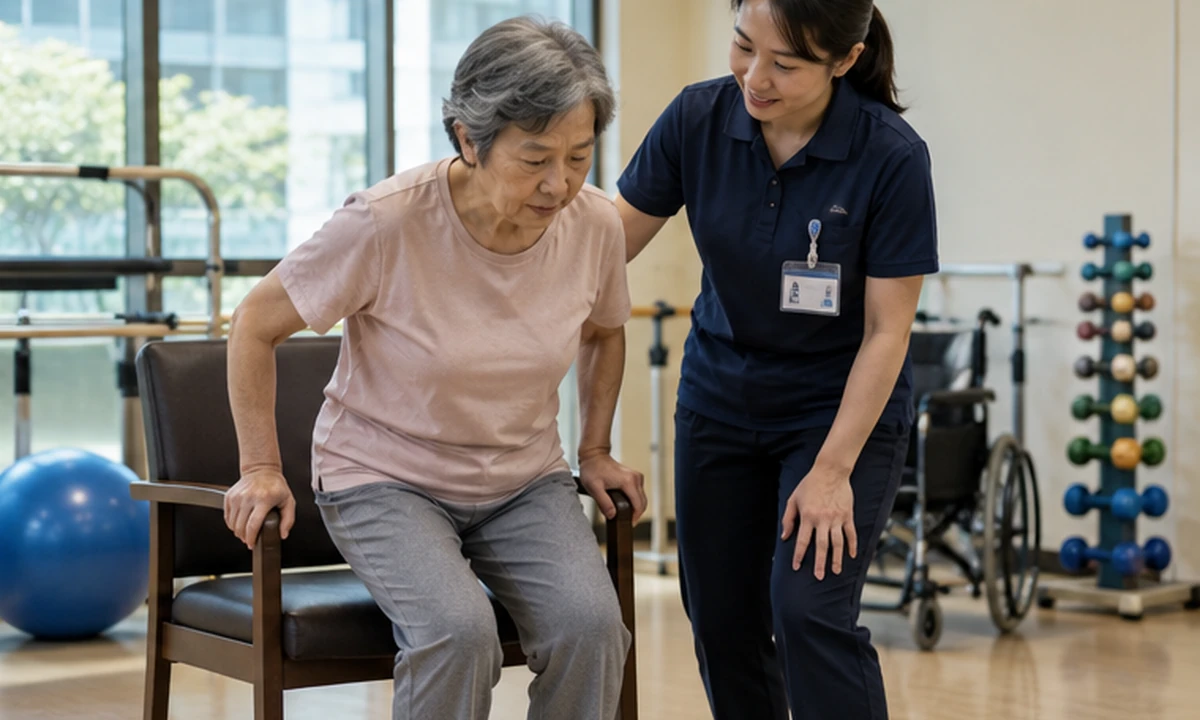
- Frailty is a state of reduced physiological reserve: a relatively small illness, fall or period of bed rest can cause a disproportionate loss of function.
- Unintentional weight loss, slower walking, weakness, exhaustion and reduced activity are common frailty clues.
- Sudden inability to walk, new one-sided weakness, acute confusion, severe breathlessness/chest pain, repeated falls with injury or rapid unexplained decline needs prompt/urgent assessment.
Why this deserves attention
Frailty is a state of reduced physiological reserve: a relatively small illness, fall or period of bed rest can cause a disproportionate loss of function. It is not an inevitable label for ageing. Early frailty and muscle loss can often be improved or slowed with nutrition, strength/balance activity and treatment of contributing medical problems.
The aim is not to self-diagnose from one symptom. Onset, progression, impact on basic function and the person’s age, pregnancy status and existing conditions all affect how quickly medical review is needed.
Patterns and practical observations
- Unintentional weight loss, slower walking, weakness, exhaustion and reduced activity are common frailty clues.
- Notice practical changes: difficulty rising from a chair, carrying groceries, climbing steps, bathing or recovering after illness.
- Poor teeth, swallowing problems, depression, social isolation, medicines and chronic disease can contribute to low intake and inactivity.
- Falls are both a consequence and a warning sign of declining strength/balance.
A short timeline is often more useful than a vague description: note when symptoms began, how fast they changed, triggers, associated symptoms and any objective readings you already have. Do not delay care just to wait for a more “textbook” pattern.
Medical assessment and next steps
- A useful assessment reviews weight trend, protein/energy intake, medicines, cognition/mood, vision/hearing, falls, walking speed/strength and reversible illnesses.
- Exercise should emphasise progressive strength and balance as appropriate, not only gentle walking; physiotherapy can individualise a plan.
- Protein/calorie advice must account for kidney disease, swallowing problems and other conditions—avoid one-size-fits-all supplement targets.
Tests and treatment are individual. An online guide cannot replace examination, laboratory testing, imaging or specialist judgement; if you already have prescribed treatment, discuss changes with the treating team rather than adjusting it independently.
Where TCM may fit
TCM can support comfort or appetite discussions in selected stable older adults, but it should sit alongside—not replace—nutrition, strength rehabilitation and medical review of reversible causes. Polypharmacy and herb interactions need extra caution.
Tell both the TCM practitioner and medical team about every herb, supplement, prescription and over-the-counter medicine. “Natural” does not mean interaction-free, particularly in pregnancy, breastfeeding, liver/kidney disease, anticoagulation or polypharmacy.
When not to wait
- Sudden inability to walk, new one-sided weakness, acute confusion, severe breathlessness/chest pain, repeated falls with injury or rapid unexplained decline needs prompt/urgent assessment.
- Frailty that worsens quickly after a new illness should not be accepted as “just ageing”.
In Singapore, call 995 for a life-threatening emergency. If symptoms are serious and you are unsure, prioritise appropriate conventional medical assessment rather than waiting for a complementary-care appointment.
Related reading
Singapore references
This page was checked in September 2026 against current Singapore public-health / healthcare information. These links are for further reading; individual screening intervals, diagnostic thresholds and treatment should still be decided by your own medical team.
This page provides general health education, not an individual diagnosis or emergency plan. Sudden, severe, persistent or rapidly worsening symptoms—especially the red flags above—require appropriate conventional medical assessment.