
- A fall is not always “just old age”; vision, medicines, blood pressure, strength and neurological problems can contribute.
- Home hazards, unsuitable footwear and rushing can increase risk even when a person usually walks well.
- A new fall with head injury, weakness, severe pain, confusion or loss of consciousness needs prompt medical attention.
Start with what changed
Ask whether the person fell because they tripped, felt dizzy, blacked out, became weak, misjudged a step or could not recover balance. A useful description includes where it happened, footwear, lighting, recent illness and any new medicines.
Review medicines instead of blaming age
Blood-pressure medicines, sedatives, sleeping tablets and other medicines can sometimes contribute to dizziness or unsteadiness. Do not stop them yourself, but bring a complete medicine list to a doctor or pharmacist for review.
Strength and confidence both matter
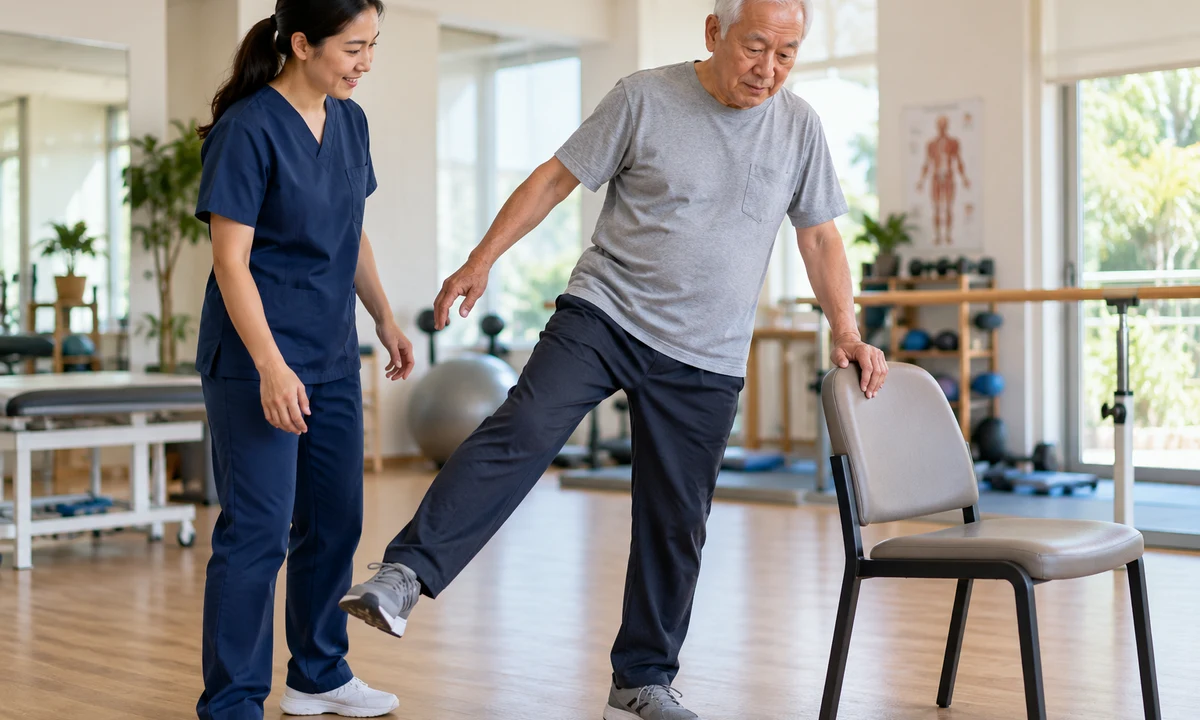
Walking, leg strength and balance can decline when activity drops after a fall. Fear of falling may then lead to even less movement. A gradual, appropriate exercise plan can be important, particularly after medical causes of instability have been considered.
Make the home easier, not just safer
Look at loose rugs, clutter, wet floors, poor lighting, bathroom access and items stored too high or too low. The goal is not to remove independence; it is to make everyday movement more predictable and less risky.
Where TCM may fit
Some older adults use acupuncture or Tuina for pain or stiffness that affects movement. Treatment should be gentle, account for fragile skin, osteoporosis, medicines and medical conditions, and never substitute for evaluating unexplained dizziness, weakness or repeated falls.
Know when a fall is an emergency
Call 995 for life-threatening emergencies such as loss of consciousness, severe breathing problems, suspected stroke, major trauma or uncontrolled bleeding. Head injury, new weakness or numbness, severe pain or inability to bear weight also deserves prompt medical assessment.
This guide is general health information, not a diagnosis or personal treatment plan. Persistent, severe, rapidly worsening or concerning symptoms should be medically assessed.