
- Breathlessness may mean chest tightness, wheeze, fast breathing, difficulty taking a deep breath or symptoms only on exertion.
- Severe breathing difficulty, inability to speak comfortably, drowsiness or confusion, blue or grey lips, collapse or severe chest pain can be emergencies.
- Wheezing can occur with asthma, infection, allergic reactions, airway irritation and other lung or heart problems.
Describe the breathing problem precisely
Breathlessness may mean chest tightness, wheeze, fast breathing, difficulty taking a deep breath or symptoms only on exertion. Note when it began and whether there is cough, fever, chest pain, swelling, palpitations or an allergic trigger.
Know the emergency warning signs
Severe breathing difficulty, inability to speak comfortably, drowsiness or confusion, blue or grey lips, collapse or severe chest pain can be emergencies. A sudden major breathing problem after food, medicine or an insect sting may also be a severe allergic reaction.
Do not assume every wheeze is asthma
Wheezing can occur with asthma, infection, allergic reactions, airway irritation and other lung or heart problems. A first episode, unusual episode or clear change from a known asthma pattern should be medically assessed.
Follow prescribed inhaler plans
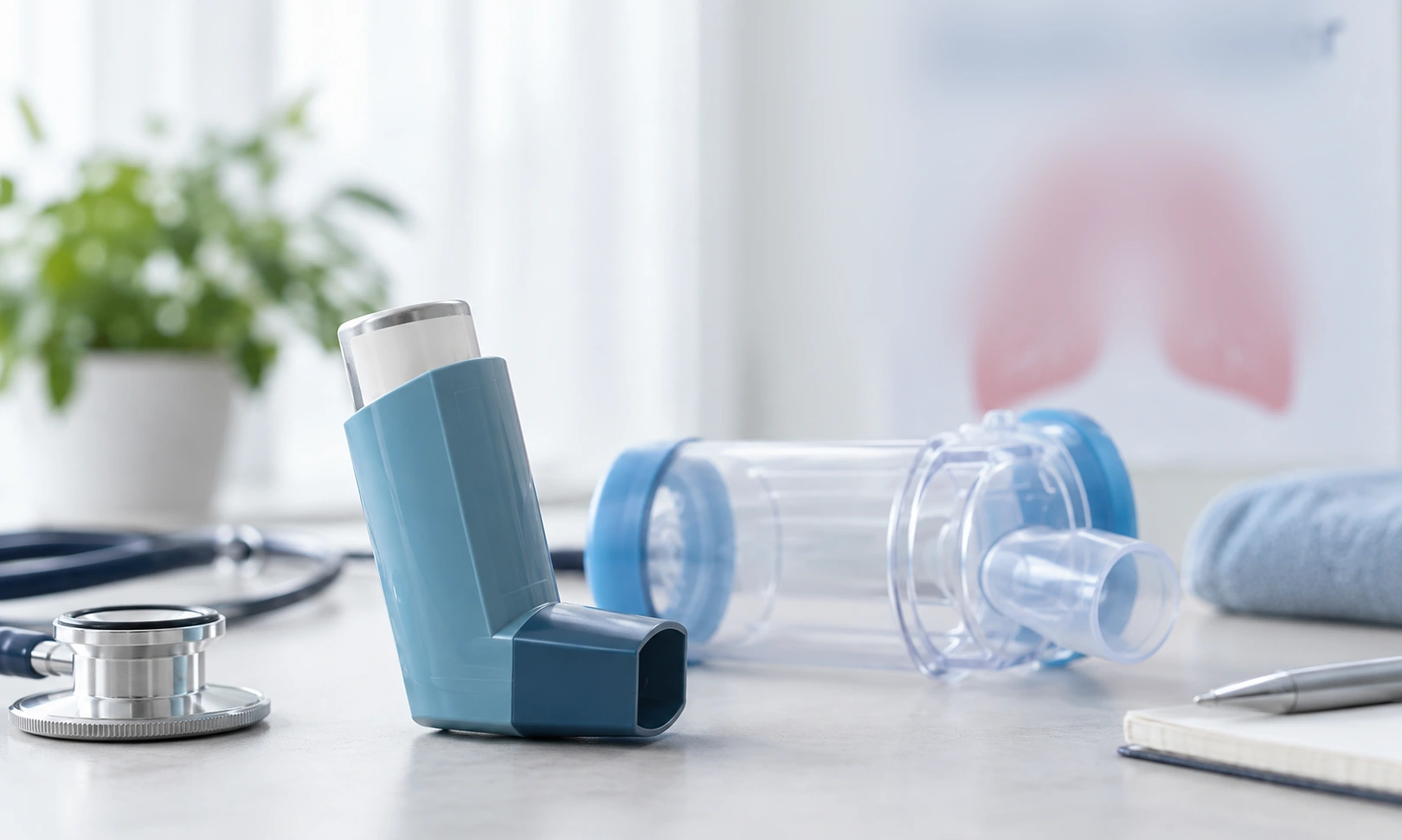
If you already have asthma treatment, use rescue and controller medicines as instructed. Do not reduce or stop an inhaler because symptoms temporarily improve after acupuncture, herbs or another complementary treatment.
Where TCM may fit
For stable, non-emergency respiratory complaints, a TCM practitioner may discuss sleep, appetite, nasal symptoms, cough pattern and general wellbeing. These discussions should sit alongside, not replace, medical diagnosis and management.
Herbs require extra caution
People with asthma, allergies, heart conditions or several medicines should disclose everything they take before using herbs. An unfamiliar herbal product should never be the main response to rapidly worsening breathing symptoms.
Related reading and next steps
This page provides general health education, not an individual diagnosis or emergency plan. Persistent, severe, sudden or rapidly worsening symptoms require appropriate conventional medical assessment.