
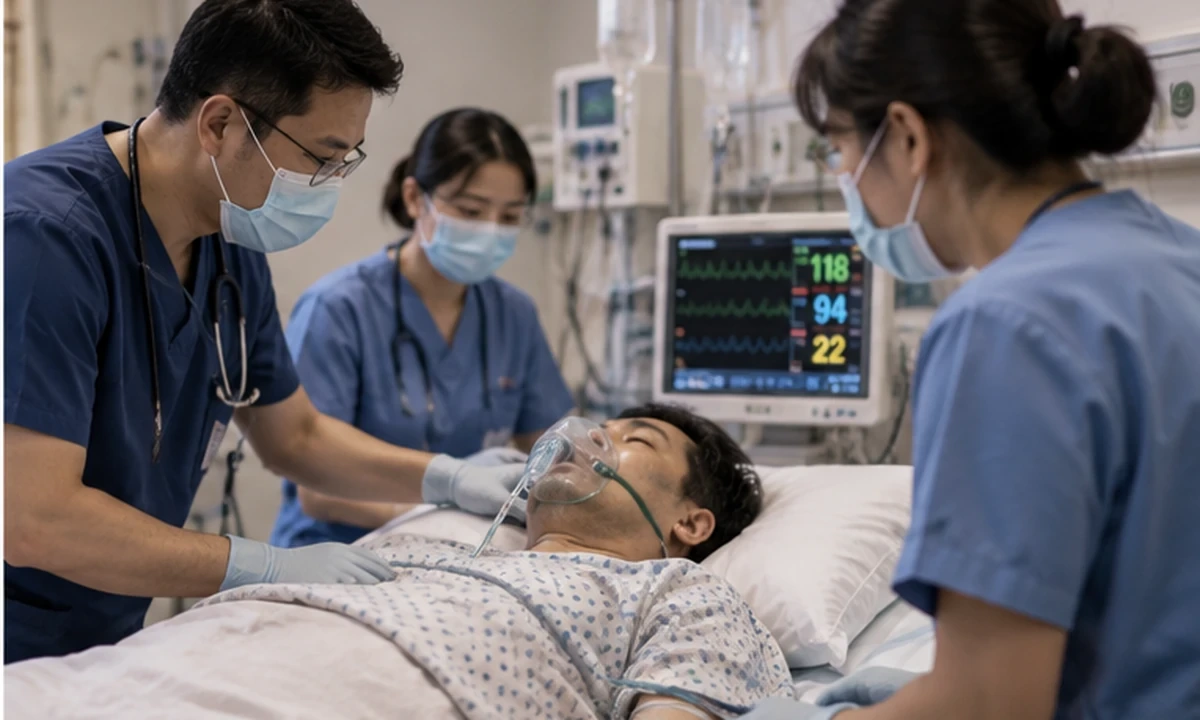
- F.A.S.T.: Face drooping, Arm weakness, Speech difficulty, Time to call 995.
- Any one sudden FAST sign can be enough to suspect stroke.
- Sudden vision loss, severe imbalance or an unusual severe headache can also be important neurological symptoms.
Why this deserves attention
A stroke happens when blood flow to part of the brain is interrupted or when bleeding occurs in the brain. Treatment is time-sensitive. A transient ischaemic attack (TIA) can produce similar symptoms that improve after minutes or hours, but improvement does not make it safe to ignore; it can be a warning that a larger stroke may follow.
What makes it more important
High blood pressure, diabetes, smoking, high cholesterol, atrial fibrillation and previous TIA/stroke increase risk, but stroke can happen without a person knowing they have these conditions. This is one reason preventive screening matters before symptoms appear.
What to do next
Do not wait to see whether symptoms settle, sleep it off or arrange a routine clinic appointment. Record the time the person was last known to be well because treatment decisions may depend on timing. Use an ambulance rather than driving yourself.
Where TCM may fit
Acupuncture, Tuina and herbs are not first-line responses to a possible acute stroke or TIA. TCM rehabilitation may be discussed later only after hospital assessment and when the person is medically stable.
When not to wait
If a sudden FAST symptom or other possible stroke sign appears, call 995 immediately in Singapore. Even if the symptom disappears, urgent medical assessment is still required.
Related reading and Singapore resources
This page provides general health education, not an individual diagnosis or emergency plan. Sudden, severe, persistent or rapidly worsening symptoms — especially red flags — require appropriate conventional medical assessment.