
- Singapore’s climate needs local adaptation rather than copying winter/summer advice from elsewhere.
- Hydration, clothing, sleep and air-conditioning often matter more than exotic remedies.
- Heat illness is a medical problem, not something to “push through”.
Singapore is not a four-season climate
Traditional seasonal advice often comes from places with cold winters and dry autumns. In Singapore, the more useful question is how heat, humidity, heavy rain, indoor air-conditioning and abrupt temperature changes affect your comfort and daily habits.
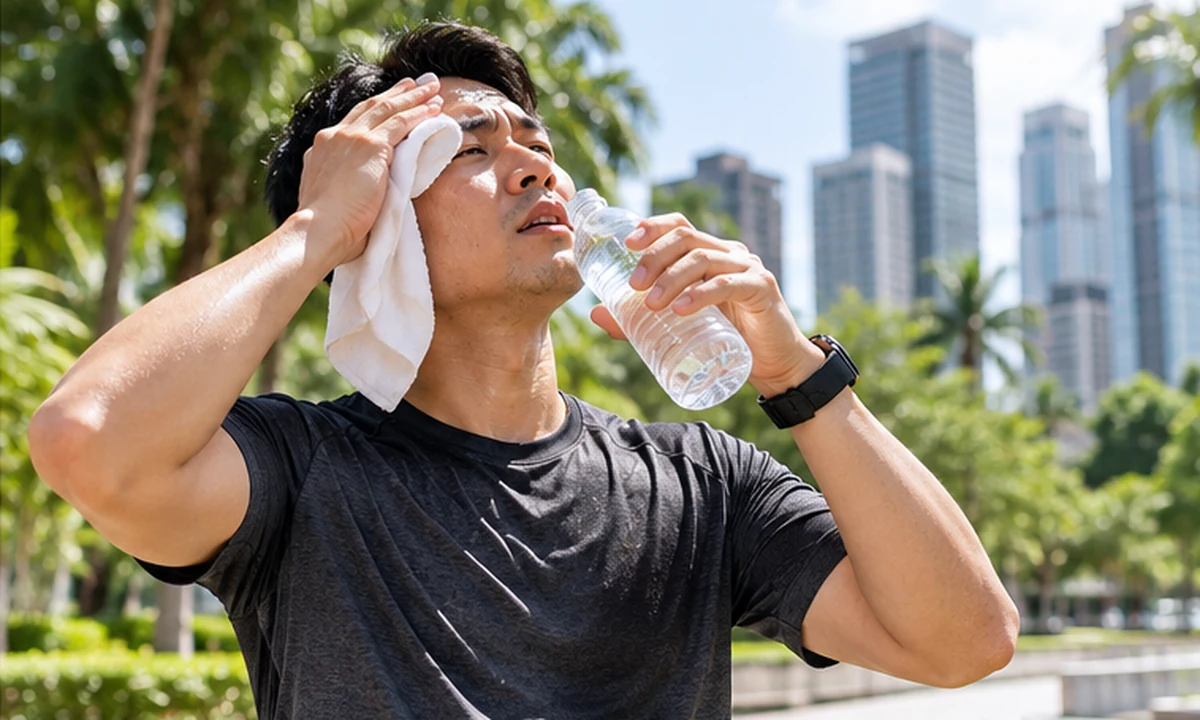
Start with hydration and pacing
Drink according to thirst and activity, take breaks in very hot conditions and avoid pushing intense exercise when unwell or overheated. People with medical fluid restrictions should follow their doctor’s advice rather than generic hydration tips.
Air-conditioning can create a second climate
Moving from outdoor heat into cold, dry indoor air can feel uncomfortable. Light layers, adjusting direct airflow and maintaining a comfortable sleeping temperature may help more than labelling every dry throat or stiff shoulder as “wind-cold”.
Food therapy should stay practical
Cooling or warming food categories can be used as a traditional way to think about variety, but there is no need to fear ordinary foods. Choose balanced meals that suit your digestion, activity and medical needs.
Recognise heat illness
Confusion, collapse, severe weakness, very high body temperature or worsening symptoms after heat exposure can signal a medical emergency. Move to a cooler place and seek urgent medical help rather than relying on herbal drinks or home remedies.
Adapt advice to Singapore rather than a four-season script
Notice whether heat, humidity, rain, haze, air-conditioning, travel or indoor environments change your symptoms. Ask which advice is simply general lifestyle support, what is based on TCM tradition, and what symptoms require modern medical diagnosis. The useful goal is adaptation, not forcing Singapore life into a climate pattern that does not fit.
Build your own Singapore trigger map
Instead of assuming every symptom is caused by “heat” or “dampness”, note whether it appears after haze, rain, outdoor heat, a cold office, travel, poor sleep or a particular indoor environment. This keeps traditional lifestyle ideas connected to your real surroundings and helps separate a useful observation from a vague label that could fit almost anything.
This guide is general information, not a diagnosis or personal treatment plan. Persistent, severe or rapidly worsening symptoms should be medically assessed.