
- Pre-eclampsia is a pregnancy complication involving high blood pressure and signs that organs such as the kidneys, liver, brain or placenta may be affected.
- Severe or persistent headache, visual disturbance, upper abdominal/epigastric pain, nausea/vomiting or sudden marked swelling can be warning symptoms.
- Severe headache with visual changes, severe upper abdominal pain, seizures, severe breathlessness, collapse, heavy bleeding or feeling rapidly worse in pregnancy needs immediate obstetric/emergency assessment.
Why this deserves attention
Pre-eclampsia is a pregnancy complication involving high blood pressure and signs that organs such as the kidneys, liver, brain or placenta may be affected. It usually develops after 20 weeks and can become serious even when the pregnant person previously felt well.
The aim is not to self-diagnose from one symptom. Onset, progression, impact on basic function and the person’s age, pregnancy status and existing conditions all affect how quickly medical review is needed.
Patterns and practical observations
- Severe or persistent headache, visual disturbance, upper abdominal/epigastric pain, nausea/vomiting or sudden marked swelling can be warning symptoms.
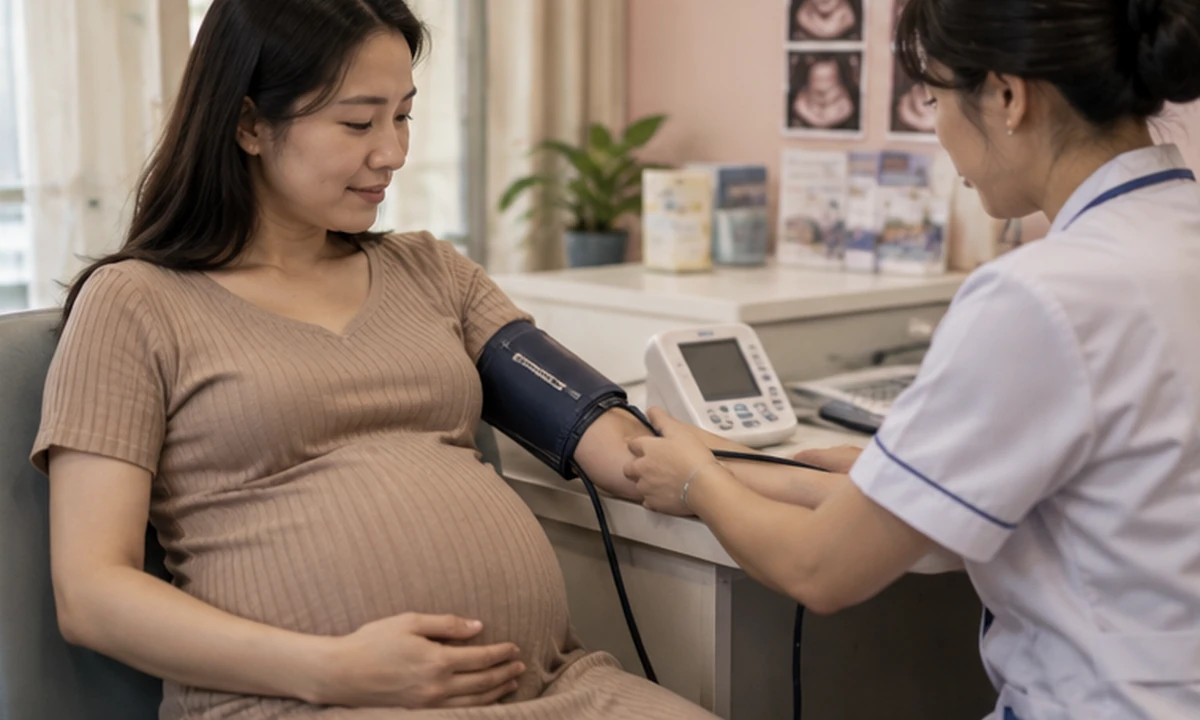
- High blood pressure may cause no symptoms, which is why routine antenatal blood-pressure and urine checks matter.
- Rapid swelling alone is not diagnostic, but new symptoms plus raised blood pressure need obstetric assessment.
- Reduced foetal movement or feeling acutely unwell in later pregnancy should be reported promptly.
A short timeline is often more useful than a vague description: note when symptoms began, how fast they changed, triggers, associated symptoms and any objective readings you already have. Do not delay care just to wait for a more “textbook” pattern.
Medical assessment and next steps
- Keep antenatal appointments and follow the maternity team’s blood-pressure monitoring plan; do not use a single normal home reading to dismiss concerning symptoms.
- If measuring at home, use a validated cuff and record readings rather than repeatedly rechecking until a lower number appears.
- Do not start or stop blood-pressure medicines, aspirin or herbs in pregnancy without the relevant clinician’s advice.
Tests and treatment are individual. An online guide cannot replace examination, laboratory testing, imaging or specialist judgement; if you already have prescribed treatment, discuss changes with the treating team rather than adjusting it independently.
Where TCM may fit
TCM does not treat pre-eclampsia and must not be used to lower pregnancy blood pressure instead of obstetric care. Complementary treatment, if any, should only address separate symptoms after the maternity team confirms it is safe.
Tell both the TCM practitioner and medical team about every herb, supplement, prescription and over-the-counter medicine. “Natural” does not mean interaction-free, particularly in pregnancy, breastfeeding, liver/kidney disease, anticoagulation or polypharmacy.
When not to wait
- Severe headache with visual changes, severe upper abdominal pain, seizures, severe breathlessness, collapse, heavy bleeding or feeling rapidly worse in pregnancy needs immediate obstetric/emergency assessment.
- Very high or repeatedly abnormal blood-pressure readings in pregnancy should be handled according to the maternity team’s urgent advice.
In Singapore, call 995 for a life-threatening emergency. If symptoms are serious and you are unsure, prioritise appropriate conventional medical assessment rather than waiting for a complementary-care appointment.
Related reading
Singapore references
This page was checked in September 2026 against current Singapore public-health / healthcare information. These links are for further reading; individual screening intervals, diagnostic thresholds and treatment should still be decided by your own medical team.
This page provides general health education, not an individual diagnosis or emergency plan. Sudden, severe, persistent or rapidly worsening symptoms—especially the red flags above—require appropriate conventional medical assessment.