
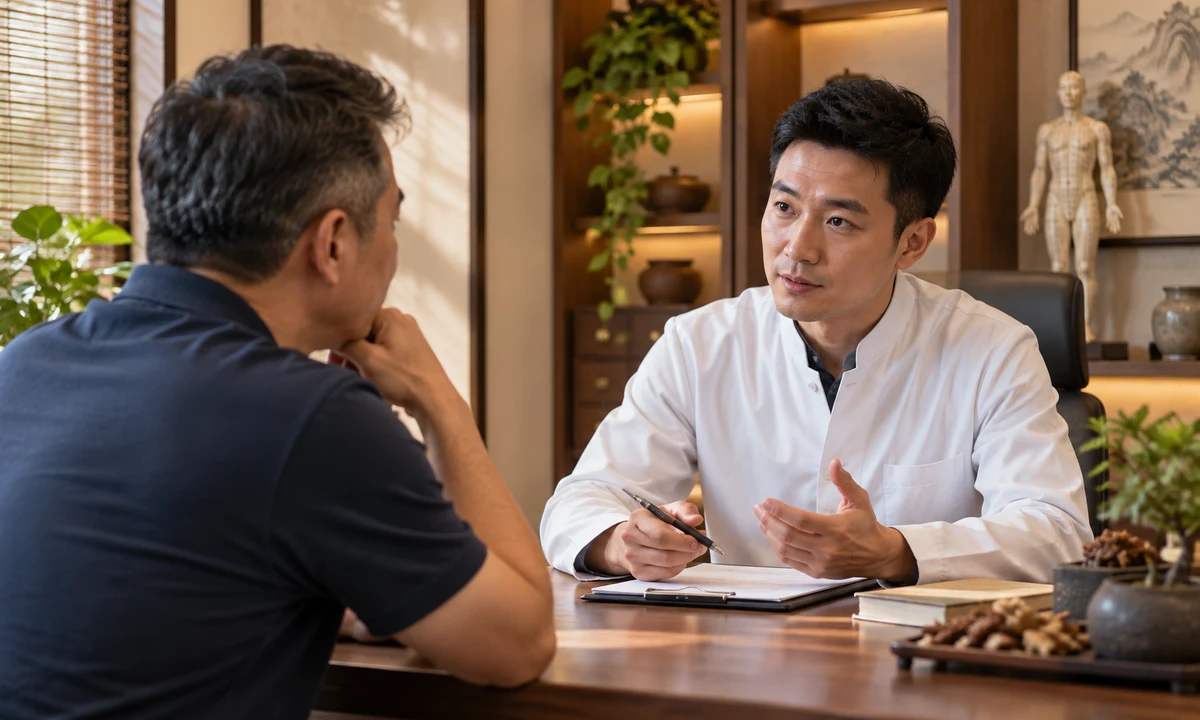
- Midlife health is mostly built from repeatable habits and appropriate screening.
- Do not assume tiredness, weight change or poor sleep is simply “age”.
- TCM can complement care, but it should not replace diagnosis or chronic-disease management.
Think in trends, not one bad week
Midlife can bring heavier work, caregiving and less recovery time. Instead of reacting to a single tired week, look at trends in weight, waist size, blood pressure, sleep, exercise tolerance, mood and alcohol intake.
Keep conventional preventive care current
Routine screening is not a sign that something is wrong; it is how common risks are found earlier. Ask your doctor what checks are appropriate for your age, family history and personal risk factors rather than relying on generic internet packages.
Strength and movement protect function
Regular physical activity supports cardiovascular health, strength, mood and energy. A sustainable plan matters more than occasional extreme workouts. If exercise causes chest pain, unusual breathlessness, fainting or symptoms that are new for you, stop and seek medical advice.
Sleep deserves respect
Loud snoring, witnessed breathing pauses, persistent daytime sleepiness or waking unrefreshed can be worth medical discussion. Sleep problems should not automatically be treated only with sedating products or “energy” tonics the next morning.
Use TCM thoughtfully
TCM may be used for symptom support or general wellbeing. Tell the practitioner about blood pressure medicines, diabetes medicines, anticoagulants and supplements. Be cautious of products promising rapid changes in sexual performance, strength or hormones.
This guide is general health education, not a diagnosis or personal treatment plan. Persistent, severe or rapidly worsening symptoms should receive appropriate medical assessment.
Further reading: HealthHub: Healthy Lifestyle