
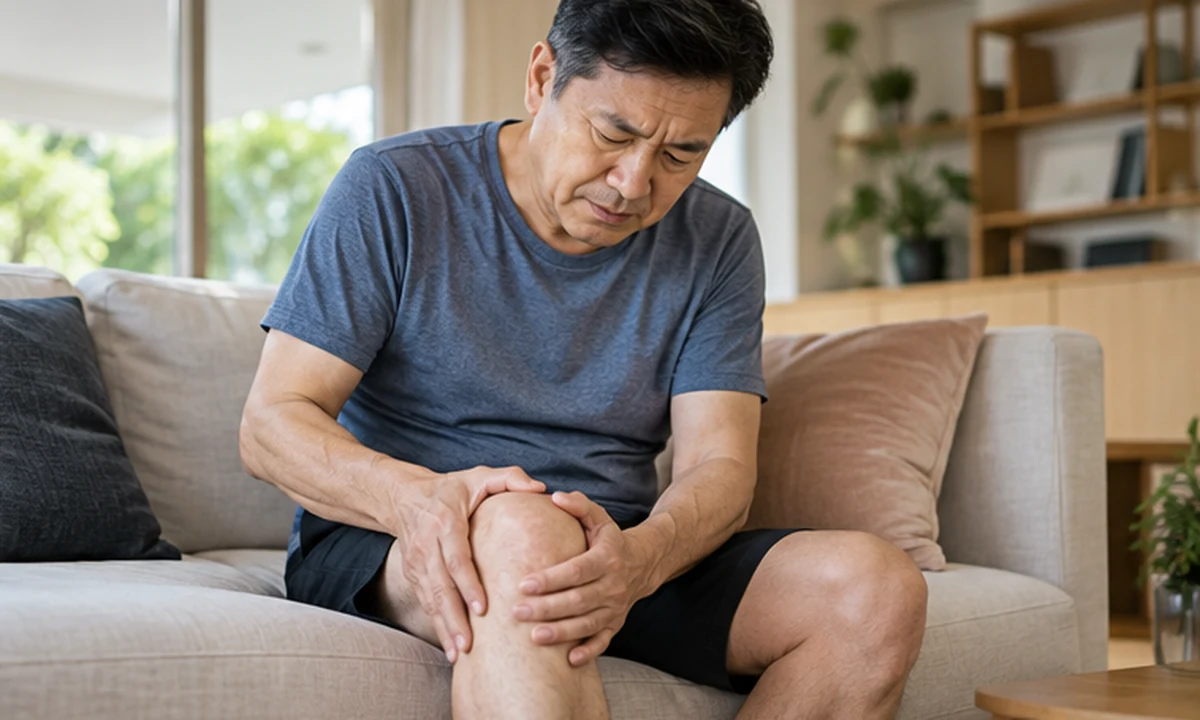
- Knee pain after an injury needs a different conversation from gradual aching.
- Swelling, locking, instability and inability to bear weight are important details.
- TCM treatment should have a clear goal and review point.
Describe how it started
Was there a twist, fall or impact, or did the ache build gradually? Does it hurt on stairs, after sitting, while squatting or during sport? These details often matter more than simply saying “my knee hurts”.
Mention swelling and mechanical symptoms
Tell the practitioner if the knee swells, gives way, locks, catches or cannot fully straighten. These features may suggest that further medical or physiotherapy assessment is appropriate before or alongside TCM care.
Ask what the treatment is trying to achieve
A useful plan should have a practical goal such as reducing pain enough to walk more comfortably or supporting rehabilitation. Ask how progress will be judged and how many sessions are reasonable before reconsidering the plan.
Keep strength and movement in the picture
For many knee problems, strength, mobility, body weight, training load and footwear may be relevant. Passive treatment alone rarely addresses every contributor. A combined plan is often more sensible than searching for one technique to “fix” the knee.
Seek prompt care after major injury
If you cannot bear weight, the knee looks deformed, swelling is rapid after injury, the joint is hot and very swollen with fever, or there is significant calf swelling or breathlessness, seek conventional medical care promptly.
Bring a useful pain story
Note when the pain began, whether there was an injury, where it travels, what movements change it, and whether there is weakness, numbness, swelling, fever or night pain. Ask what the proposed treatment is trying to change, what movement is safe, what would count as worsening, and which symptoms mean you should stop complementary care and seek medical assessment.
Observe function, not just a pain number
A pain score can change from hour to hour, so also track function: Can you turn your head, climb stairs, sit through a meeting, sleep or carry groceries more comfortably? Note whether symptoms spread or neurological changes appear. Functional goals make it easier to judge whether an approach is helping and reduce the temptation to continue treatment simply because the pain number occasionally fluctuates.
This guide is general information, not a diagnosis or personal treatment plan. Persistent, severe or rapidly worsening symptoms should be medically assessed.