
- You do not need a “perfect TCM diet” to eat sensibly.
- Meal size and timing may matter as much as individual ingredients.
- Persistent symptoms should not be blamed on one food without assessment.
Keep food culture, lose the guilt
Singapore food is varied, social and enjoyable. A health plan that requires avoiding every hawker meal is unlikely to last. Instead, notice which combinations consistently leave you uncomfortable and make small adjustments that fit real life.
Portion and timing can matter
Large late-night meals can feel heavy even when the food itself is not “bad”. If reflux, bloating or poor sleep follows supper, reducing the portion or moving the meal earlier may be more useful than searching for a special herb to cancel it out.
TCM food language is best used flexibly
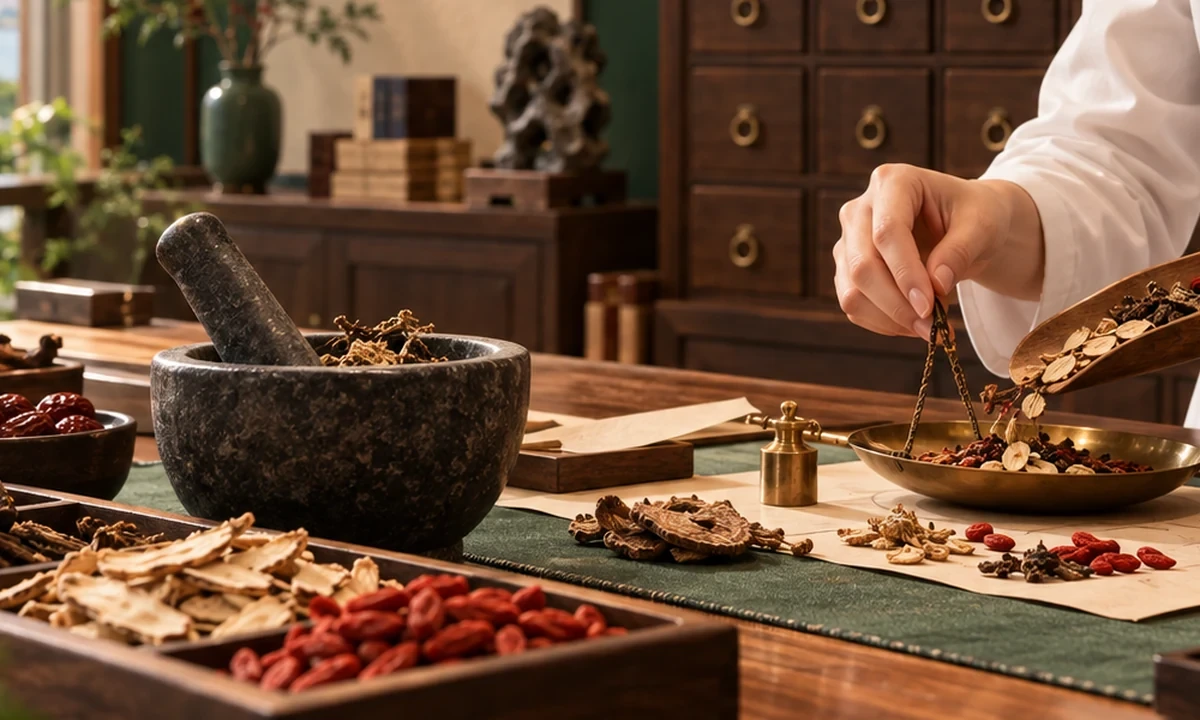
Traditional food therapy may describe foods as warming, cooling, drying or nourishing. These ideas can guide variety and meal choices, but they should not become rigid rules or be confused with the literal temperature or nutritional composition of a food.
Hydration is easy to overlook
Hot weather and busy days can make fluid intake irregular. Water needs vary with activity, weather and health conditions. People with heart, kidney or other conditions may have specific fluid advice and should follow their medical plan.
If symptoms keep returning, investigate
Recurring reflux, pain, diarrhoea, constipation, unexplained weight change or blood in stool deserves medical review. An eating pattern can influence symptoms, but persistent problems should not be assumed to be only “heatiness” or “weak digestion”.
Turn symptoms into a useful pattern
For one week, note meal timing, portion size, bowel pattern, bloating or reflux, major trigger foods, medicines and stress. The aim is not to build a long forbidden-food list. Ask whether the pattern suggests a need for medical investigation, which simple habit changes are worth testing first, and how any herbal or dietary recommendation fits with your existing health conditions.
Test habits one at a time
If you suspect food or routine is contributing, avoid changing everything at once. Start with meal timing, portion size, hydration or one obvious trigger and observe for a reasonable period. Over-restriction can make eating stressful and nutritionally poor. If symptoms remain persistent despite simple changes, the next useful step is assessment rather than an ever-growing list of forbidden foods.
This guide is general information, not a diagnosis or personal treatment plan. Persistent, severe or rapidly worsening symptoms should be medically assessed.